11 Sep 2026
SOURCE: CPF Board

Supporting ageing parents while raising or providing for your own children can place competing demands on your time, finances and wellbeing. If this describes your circumstance, it means that you’re part of the sandwich generation.
Even if your current situation does not fit this definition, you may face similar pressures if you are balancing an active caregiving role for your loved ones with your own financial needs and future plans. This challenge is especially common in Singapore where strong family ties, an emphasis on filial piety, and the rising costs of living often pull people in multiple directions at once.
With several priorities competing for your time and money, it helps to start with knowing the options available to you. This guide brings together important considerations, CPF tools, and relevant support schemes to help you manage your housing needs, plan for your family’s healthcare protection and continue building towards your own retirement.
For many of you at this stage of your life, it may arguably be the most important time to get your finances right. The good thing is that you don’t have to do everything at once. Start with the decisions that matter most now, then revisit your plan (and this guide) as your needs and circumstances change.
Feeling overwhelmed? You’re not alone. It is possible to plan for your own life goals, with help from CPF.
Managing your household budget
When you're planning finances with your partner, planning and managing a household budget together is essential. List out your fixed commitments (housing loan, insurance premiums, parents' allowance) alongside variable expenses (children's classes, medical costs, holiday expenses) and identify where you have room to save or adjust.
Teaching your child good financial habits
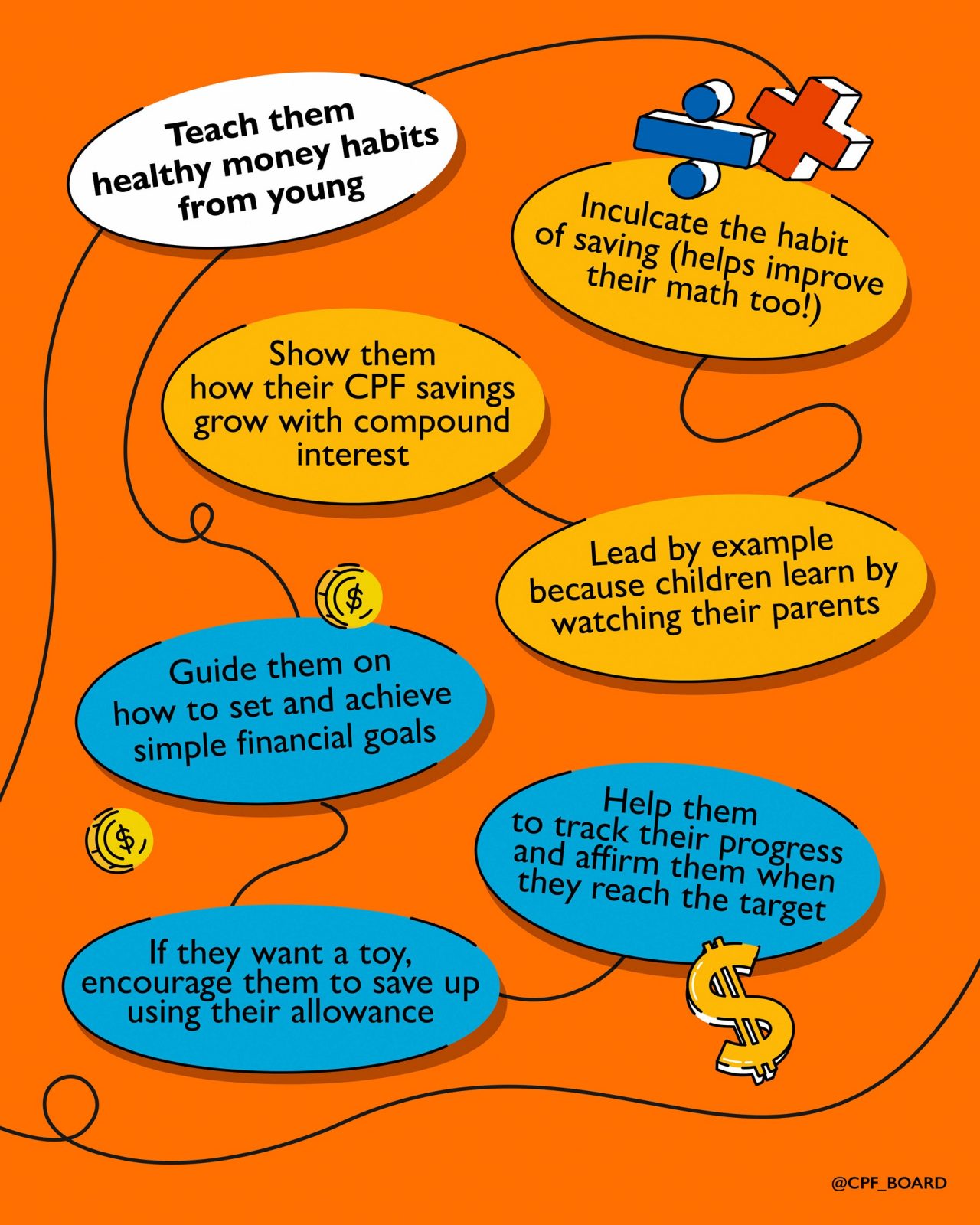
Sometimes, it's not all just you and your partner. You can also instil good financial habits in your children today. Simple things like teaching them to save a portion of their allowance go a long way. And if you want to give them a stronger head start, consider putting their festive cash gifts, such as red or green packet money, towards a top-up to their CPF accounts.
Help your parents keep their CPF accounts safe from scams
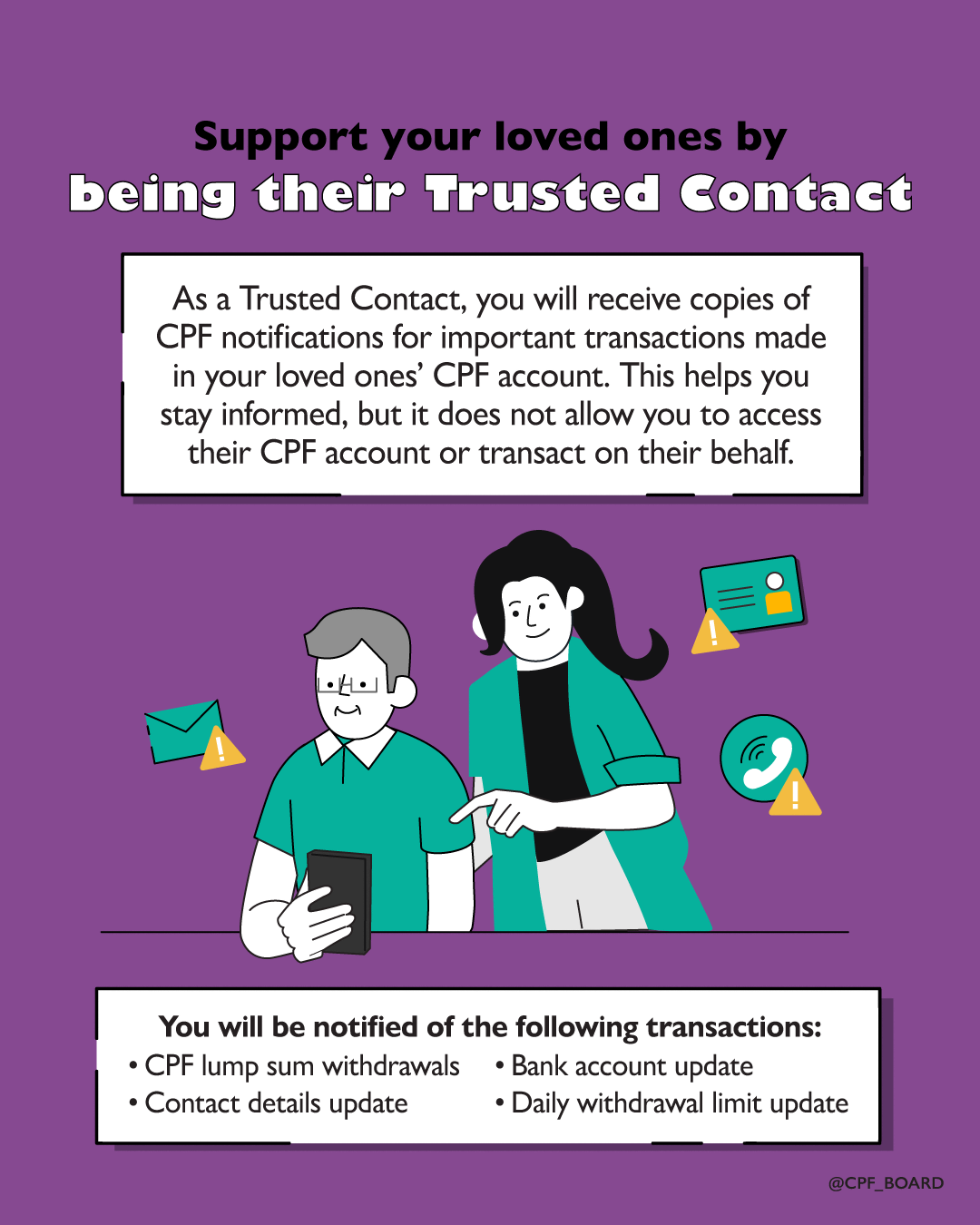
Scams targeting seniors are increasingly sophisticated, therefore you should help your parents protect what they have worked so hard for. These two additional CPF anti-scam features can help them to further safeguard their CPF savings.
The Trusted Contact notification service lets your parents appoint a trusted loved one (this could be you) to receive copies of certain important CPF notifications, so there's an extra set of eyes on any suspicious account activity. And if your parents ever suspect they've been scammed, the CPF Safety Switch lets them immediately disable access to their CPF online services, stop any in-progress withdrawals, and block future disbursements to their registered bank account.
Review and update your CPF nomination regularly
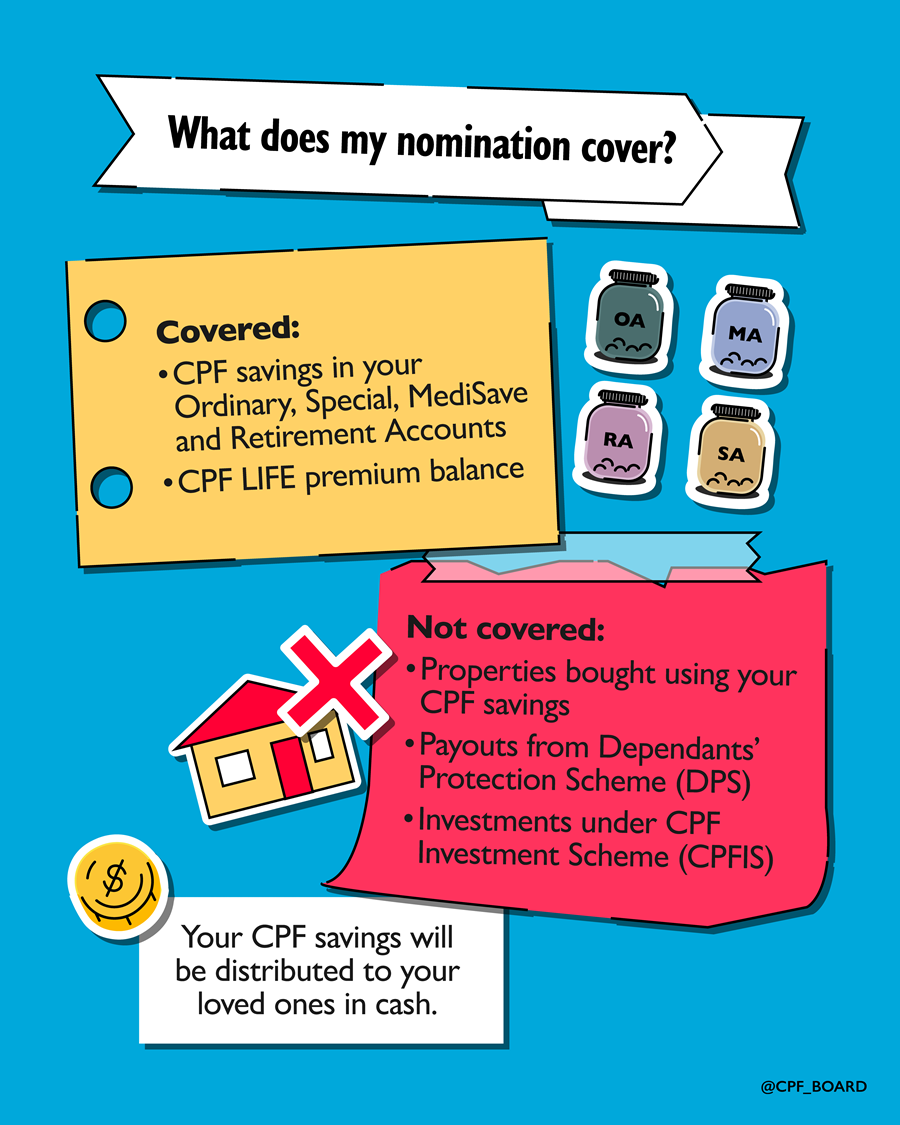
A CPF nomination lets you specify who receives your CPF savings when you pass away. This allows your loved ones to receive them quickly without going through the Public Trustee's Office. Without one, your savings are distributed under intestacy laws which might not align with your true wishes.
Appoint a Lasting Power of Attorney
A Lasting Power of Attorney (LPA) allows you to appoint someone you trust to make decisions on your behalf if you lose mental capacity. These decisions can cover your personal welfare and/or your property and financial affairs. Having an LPA in place means your affairs can be managed smoothly in line with your wishes, without your loved ones needing to apply to the court to act on your behalf during what is often a stressful time. This can be especially important if you have caregiving responsibilities, dependants, or no obvious next‑of‑kin who can step in by default.

With so many competing day-to-day priorities that require money, it's tempting to lean heavily (or entirely) on your CPF Ordinary Account (OA) savings to reduce your cash outlay for your home. While your OA savings are meant to support your home ownership goals, they also play an important role in building up your retirement income.
If you're buying your first home, start by understanding how much of your OA savings you should use. That’s an important decision to make, and it's one that's easy to forget when you're focused on the present.
Planning to buy a new home to stay close to your parents?
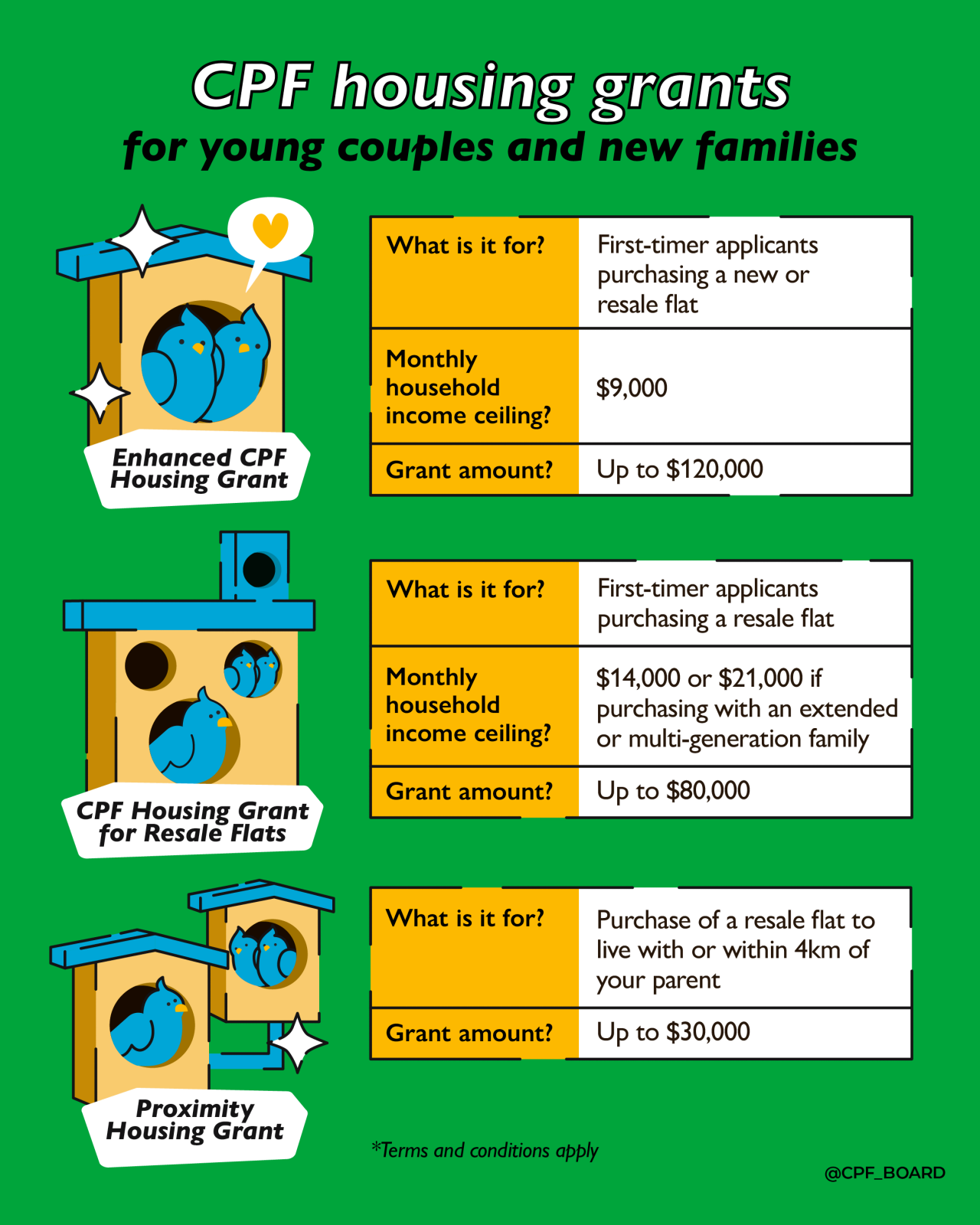
Good news, because there are not only CPF housing grants that help with financing your home, but also encourage multi-generational living. The Proximity Housing Grant, for example, supports you in living with or near your parents.
Want to upgrade your home?
If you're upgrading to a bigger home, whether to be within 1km of a preferred primary school, to be closer to your loved ones, or for more space for the family, there are more things to think about compared to your first purchase. These include how much sales proceeds you'll receive when you sell your current home, how the CPF refund rules work, and how much of your OA savings you can use for your next purchase.
Buying a home as a single
If you’re single, you can also purchase an HDB flat under the Single Singapore Citizen (SSC) Scheme. The Family Care Scheme (FCS) enables singles (and married children) to get priority access if they are applying for a BTO flat to live near or with their parents.
For some, this next purchase could be your last home before retirement, which means the decisions you make here will directly impact your next chapter. Understanding these considerations before you commit can save you from surprises down the road.
When planning your housing budget, factor in potential interest rate changes, job stability, and future expenses such as renovations and growing family needs to make sure your home remains affordable over time, not just at the point of purchase.
Managing your home finances
When you’re a homeowner, managing your housing loan and staying on top of your mortgage repayments is as important for your long-term financial stability. If you're considering repricing or refinancing your current housing loan, start by asking yourself these three key questions to help you make an informed decision.
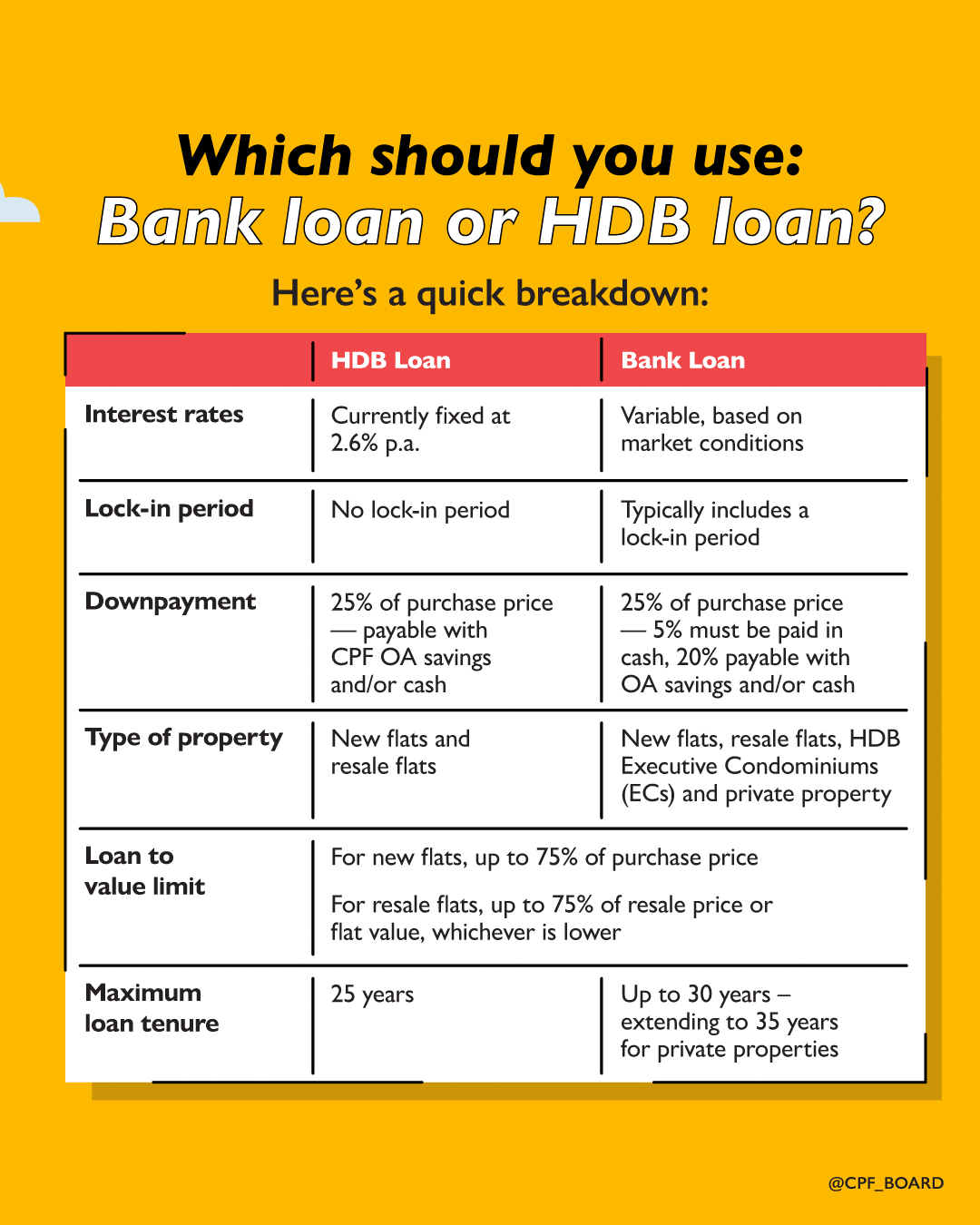
Whatever home financing choices you make, start to grow your CPF savings at the same time so your retirement doesn't have to take a back seat. If you are managing your current repayments comfortably, the question will be: should you pay down your loan faster, or redirect your excess cash towards retirement savings and investments? While there’s no one right answer, comparing your loan interest rate against the returns you could earn elsewhere, including CPF's stable and guaranteed interest rates, is a useful starting point.
If you have extra cash on hand, you can also make a voluntary housing refund of the OA savings used for your property. Doing so means you'll need to refund less to your CPF when you sell, and you'll receive more cash proceeds from the sale.

Yes, there are still moves you can make to grow your retirement income.
Making small adjustments to build your retirement income
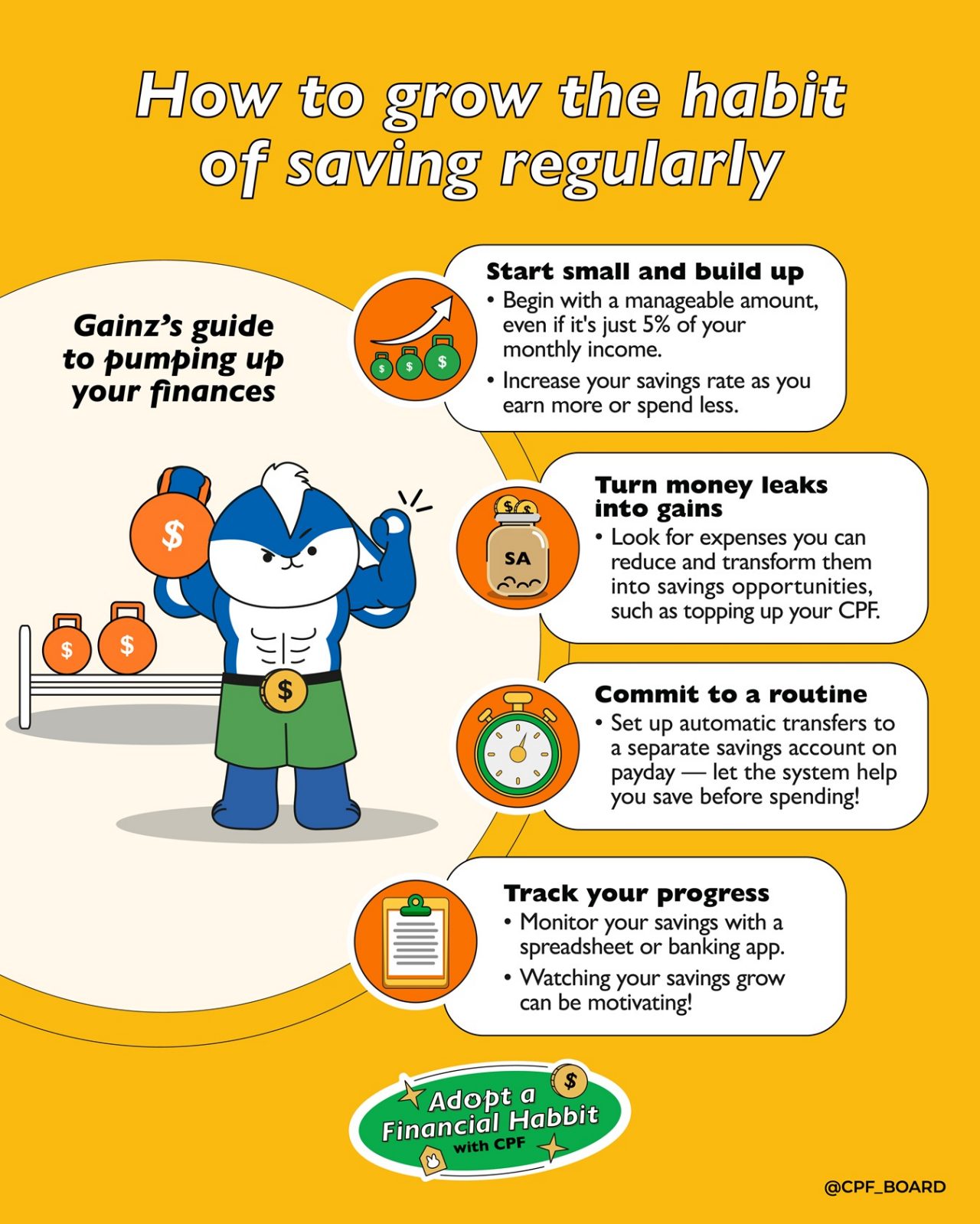
Growing your retirement savings doesn't always require large sums of money or even high levels of effort. When you have many things on your plate, small, consistent actions like setting up recurring transfers to your Special Account or making cash top-ups under the Retirement Sum Topping-Up Scheme (RSTU) can add up significantly over time, thanks to the power of compound interest. Your CPF Special Account earns up to 5% interest* per year, making it one of the most reliable and easy ways to grow your retirement savings.
*Terms and conditions apply
If caregiving responsibilities lie solely on you, you will need a stronger financial plan for yourself. This makes it even more important to start early and have a clear target in mind by using the CPF retirement sums as a starting point.
Reduce your income tax payable
As a member of the sandwich generation, you may be eligible for a range of tax reliefs including Parent Relief and the Qualifying Child Relief. These can reduce your tax payable each year, freeing up more cash for you to focus on other priorities.
Even if you don't have a spouse or children, you may be eligible for the Parent Relief and Handicapped Parent Relief, which helps. The CPF cash top-up relief also applies regardless of marital status.

Are your CPF savings enough for retirement?
If you are saving, how do you know that if you’re saving enough? You can use the Retirement Payout Planner to get a clearer picture of your projected CPF LIFE payouts and whether they'll support the retirement lifestyle you have in mind. If there's a gap, you still have time to close it. If you are still thinking about whether to make cash top-ups, you can also use the tool to simulate these CPF actions and visualise the impact on your savings.
You might also be thinking about investing your money to grow your savings beyond CPF. As someone with people counting on you, it’s important to understand the amount of risk you’re comfortable taking. Consider starting your investing journey by learning these three smart principles for investing in Singapore.

Health is wealth, especially for you. Your ability to earn, care, and provide depends on you staying well and protected.
How MediShield Life supports you
MediShield Life provides basic health insurance coverage for all Singaporeans and Permanent Residents, from birth to old age. It helps to offset large hospital bills and selected outpatient treatments, ensuring that a serious medical episode does not wipe out your cash savings.
Do you need an Integrated Shield Plan (IP)?
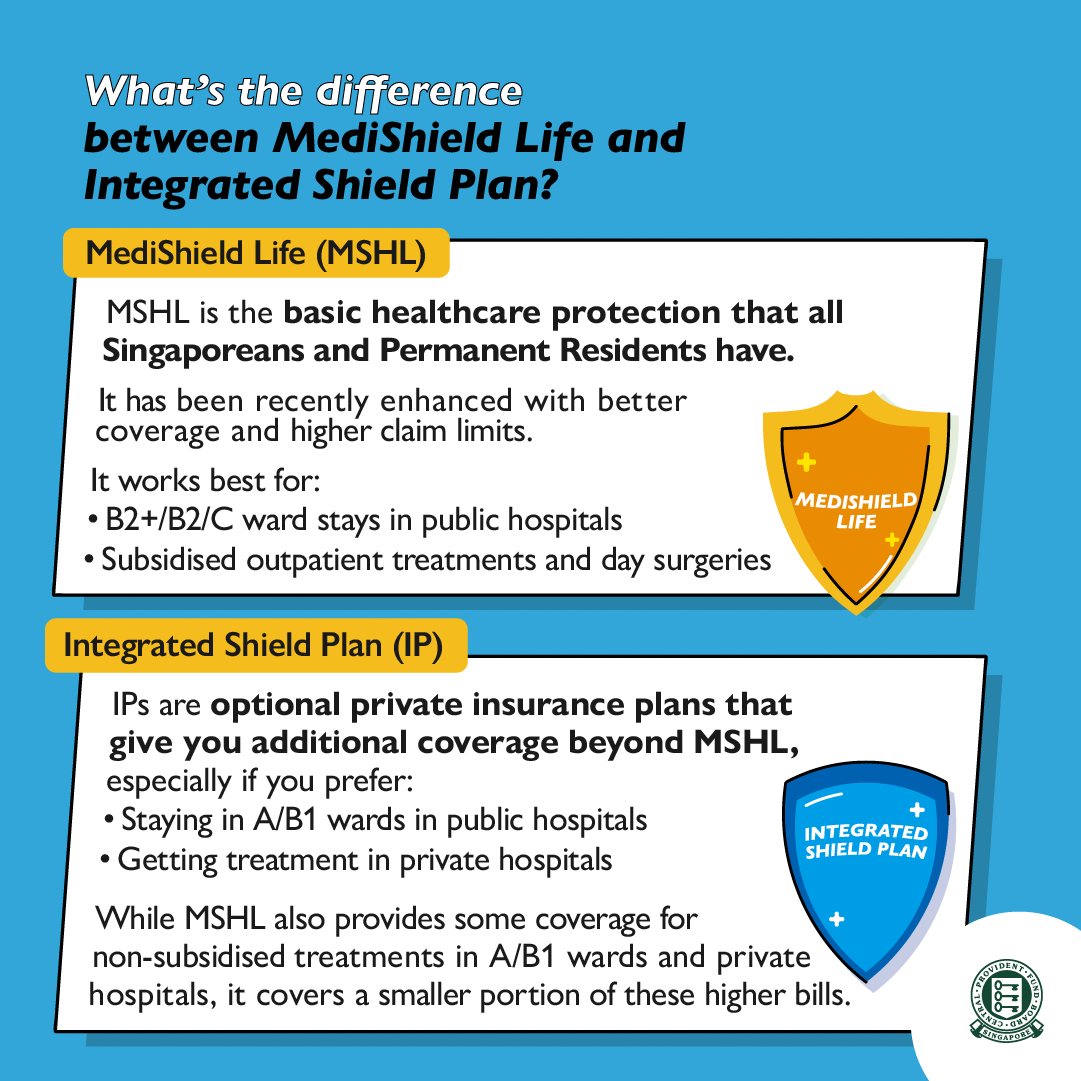
But if you prefer supplementary coverage (for example Class A and B1 wards in public hospitals or your personal choice of doctor), you can consider an Integrated Shield Plan (IP). IPs are provided by private insurers offering additional coverage on top of what MediShield Life offers. Before getting an IP, you will need to evaluate factors such as long-term costs and affordability.
A serious illness doesn't just affect your health, it can derail your finances entirely, especially if you're the main breadwinner in your family. Critical illness coverage can provide a lump sum payout upon diagnosis, giving you the financial buffer to focus on recovery without the added stress of lost income or mounting bills.
However, do note that insurance premiums generally rise with age, and may start to spike from age 40 onwards – becoming a larger household expense over time.
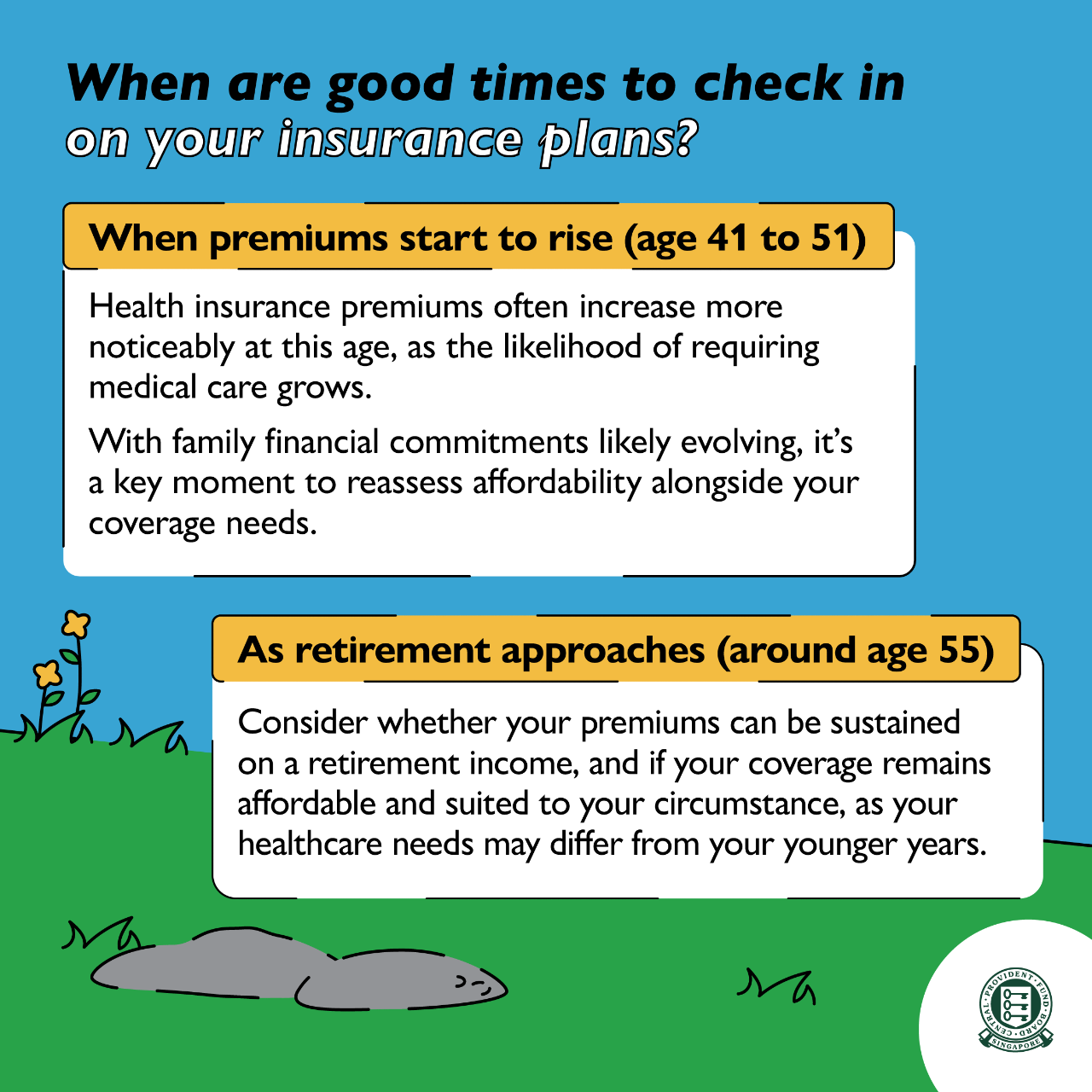

Of course, it’s important to make sure that your dependants are protected as well.
Using MediSave for your loved ones' healthcare needs
Your MediSave can be used to pay for your own hospitalisation and approved outpatient treatments, but it can also support your immediate family members, including your spouse, children and parents, for expenses such as inpatient hospital bills. On top of that, it can also be used to pay for MediShield Life premiums, making it useful for managing your family’s healthcare costs.
Given how much ground your MediSave can cover, it's worth thinking about whether topping up your MediSave Account (MA) makes sense for your current situation.
Helping your parents meet the Basic Healthcare Sum
The Basic Healthcare Sum (BHS) is the estimated amount needed in your MA to cover basic subsidised healthcare costs in old age. If your parents haven't yet met their BHS, topping up their MA is another way to strengthen their healthcare savings and give them and yourself peace of mind.
Staying healthy together
As your parents age, their healthcare needs and costs are likely to grow. Planning ahead, understanding what subsidies and support are available, and having open conversations with your family about their health (you can do it together with the retirement talk) means you're less likely to be caught off guard when more support is needed.
At the same time, prevention is often more affordable than treatment. Under the Screen for Life programme, Singaporeans can access subsidised screenings for chronic conditions such as diabetes and hypertension. Making health screening a yearly family activity can be a practical way to stay on top of everyone’s health.
Staying active also comes with perks. If you’re aged 40 and above, it can help you earn Healthpoints through the Healthy 365 app, which can translate into MediShield Life premium discounts, benefiting both your health and your wallet.

There is also a range of government schemes designed to support you and your loved ones for different concerns.
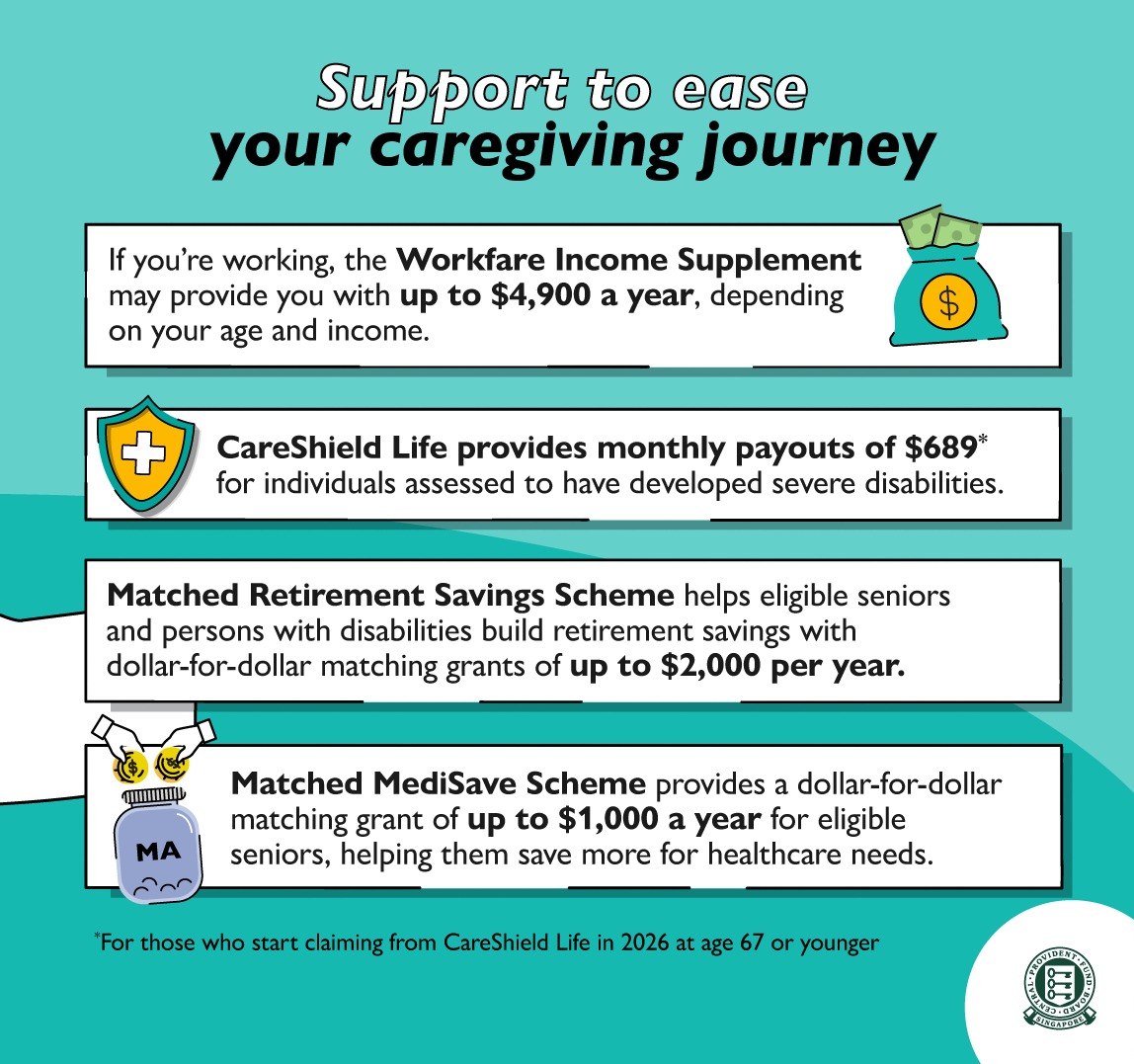
Give your parents a boost in their retirement and healthcare savings
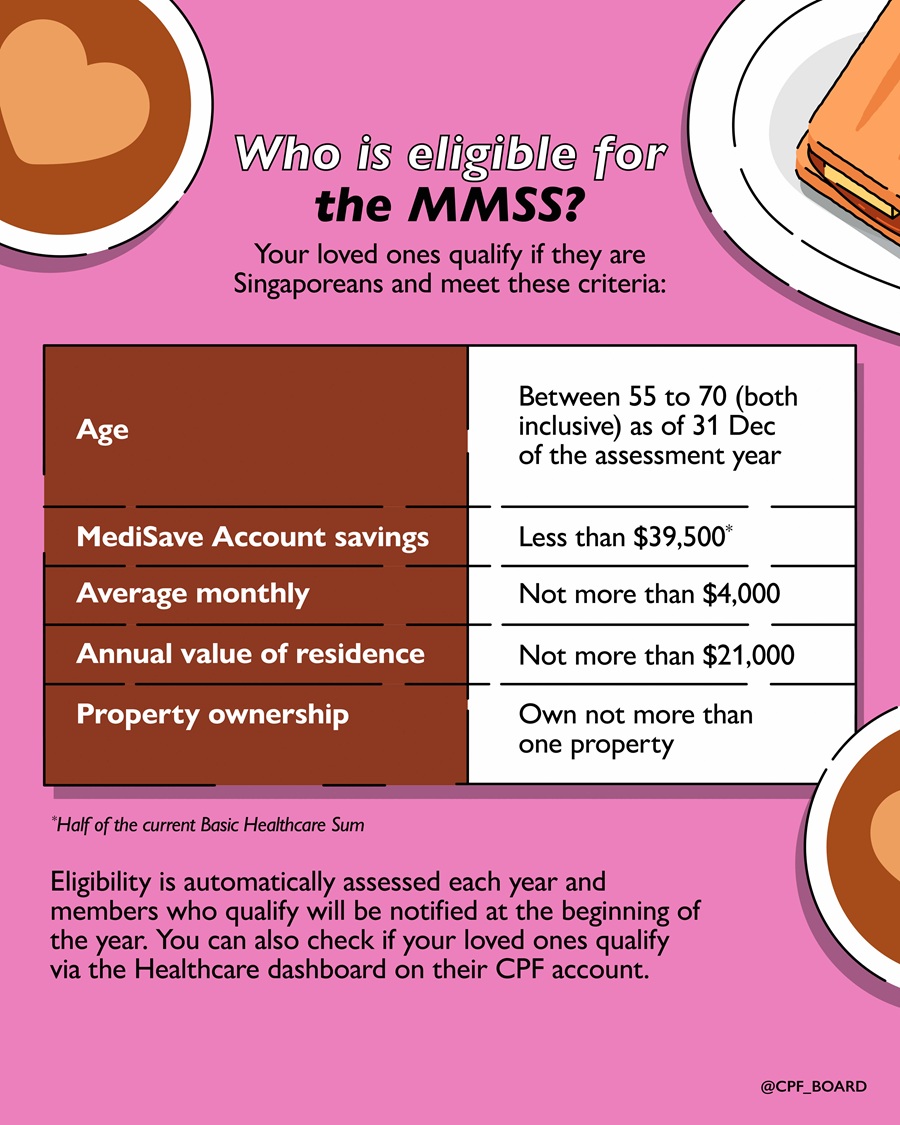
The Matched Retirement Savings Scheme (MRSS) also provides a dollar-for-dollar matching grant for eligible seniors, while the MediSave Matched Savings Scheme (MMSS) helps top up their MediSave balances. Both matching grants are a useful way to boost your parents' retirement and healthcare savings, and you don’t have to go for both if you prefer to prioritise one need over the other.
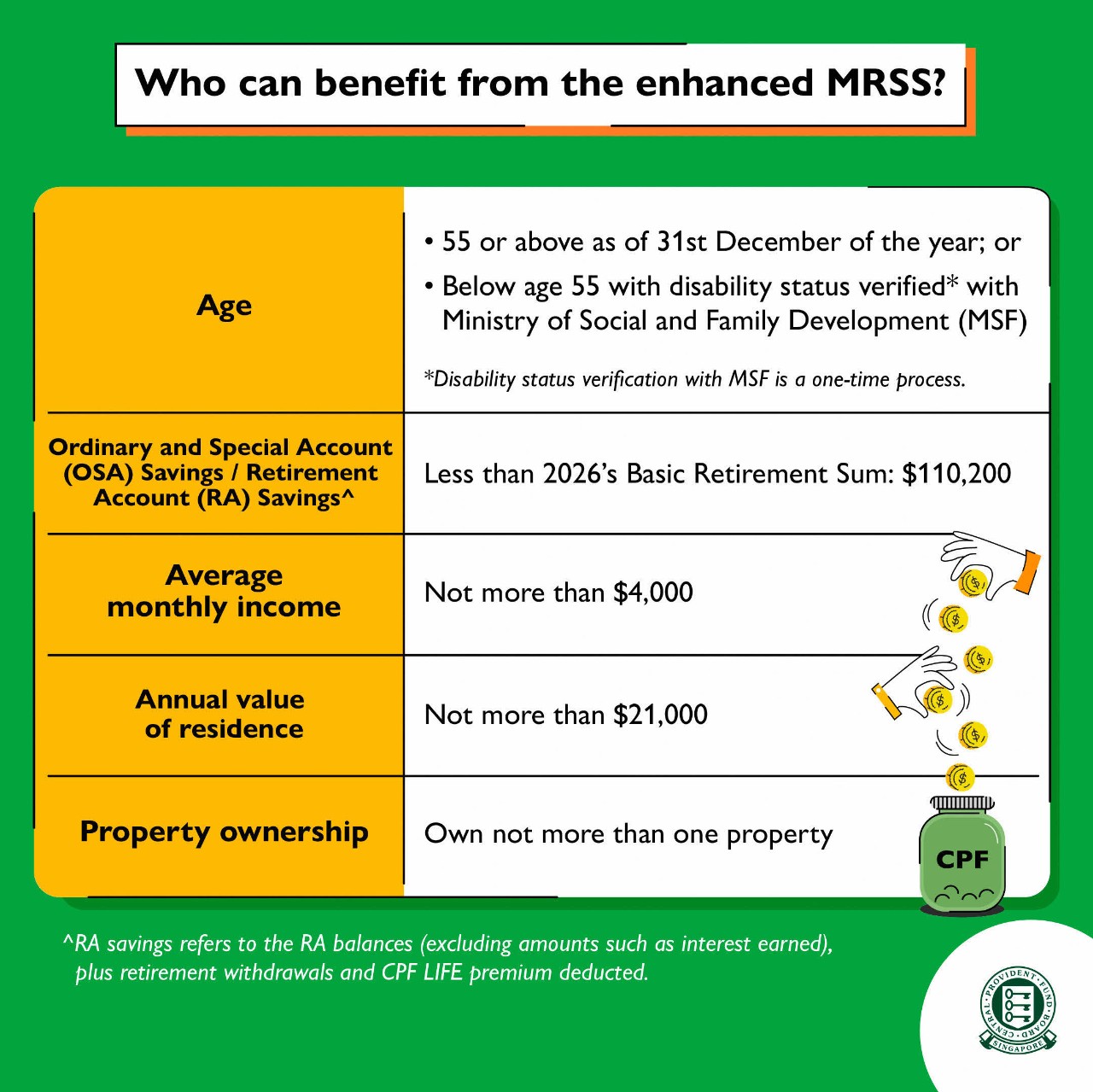
- mrss
- mmss
Know the benefits for parents
From the MediSave Grant for Newborns to various childcare benefits, there is substantial government support available for families with young children.
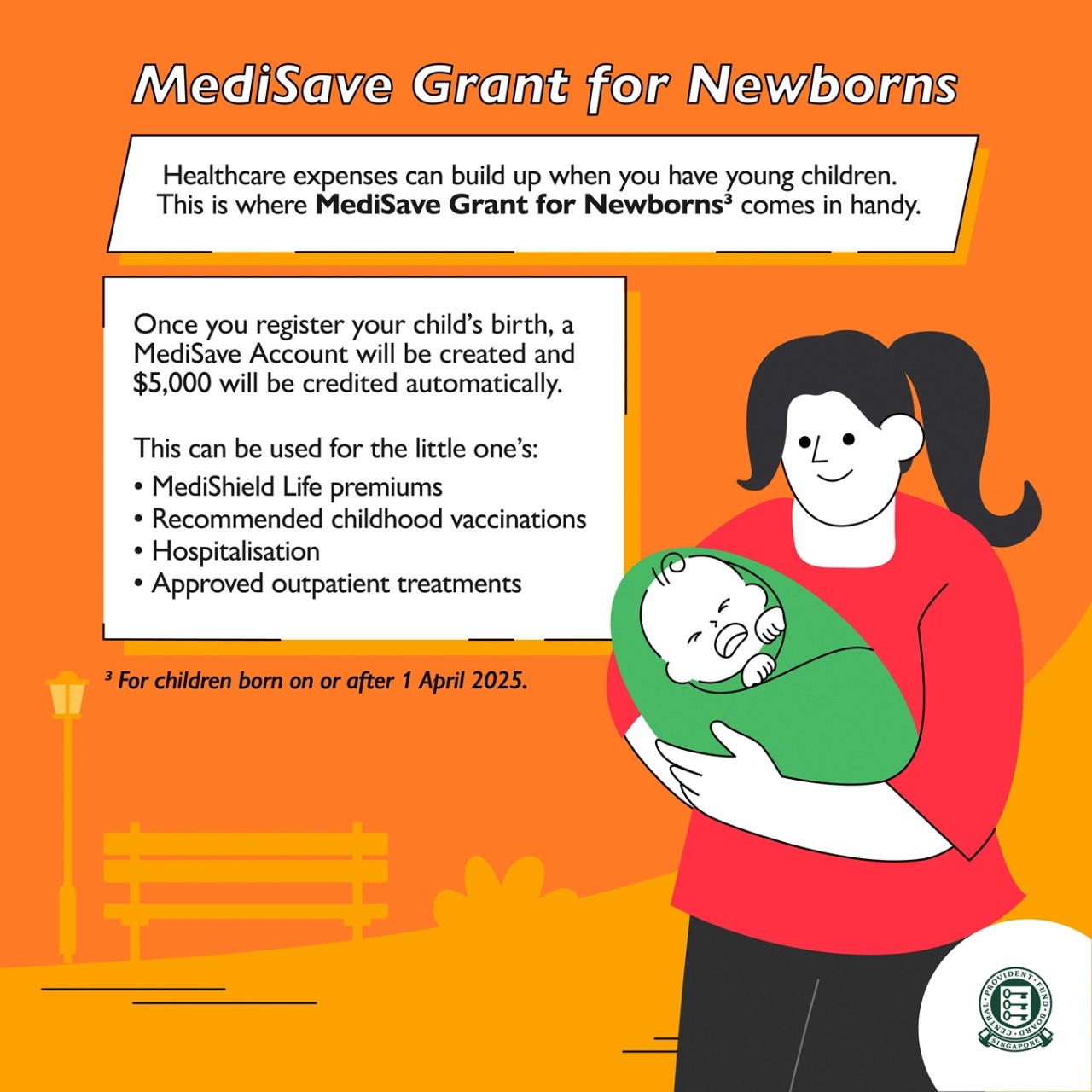
Insurance to protect your loved ones
A common worry that you might have is what would happen to your loved ones financially if something were to happen to you. The Home Protection Scheme (HPS) aims to address one part of that concern. It's a mortgage-reducing insurance that helps ensure an unpaid housing loan doesn't become an additional financial burden on your family if you pass away or suffer a permanent disability.
If you're the primary breadwinner or a caregiver supporting someone who cannot care for themselves, The Dependants' Protection Scheme (DPS) provides a lump sum payout should you lose your income due to total permanent disability or a terminal illness, ensuring your loved ones aren't left without support at an already difficult time.

It's easy to pour everything into caring for others and forget that you need looking after too. Caregiver burnout is real, and it can affect your health, your relationships, and your ability to keep showing up for the people who depend on you.
Caring for yourself is what makes caregiving sustainable. This means taking time for yourself where you can, leaning on community resources and caregiver support groups, and recognising when you need help. Solo caregivers may especially feel the strain of caregiving. If you find yourself stretched thin, reaching out to a family member, a friend, or a professional is a sign of good judgement, not weakness.
Your financial plan matters, but so does your wellbeing.
Navigate your sandwich generation years with support from CPF

Being part of the sandwich generation is no easy task. The CPF decisions you make during this season of life matter more than ever, from how you use your OA for housing, to building up your retirement savings, to making sure your loved ones are protected.
The good news is that you don't have to do it all at once, or even alone. Start with a small step today and revisit this guide whenever your circumstances change. You deserve all the support that you can get!
Information in this article is accurate as at the date of publication.


_600x400.webp/jcr:content/renditions/cq5dam.thumbnail.300.200.webp)
