2 Apr 2026
SOURCE: CPF Board

Congratulations on reaching your golden years! At this stage, you may be thinking about rightsizing your home or moving to a new neighbourhood as you enter this new chapter of your life.
From financing to the types of homes available, here’s what you need to know about rightsizing your home as a senior.

If you already own a flat, moving to a smaller or more affordable home could free up cash from your current flat to boost your retirement savings and to pursue other retirement goals.
Rightsizing also means lower monthly expenses (such as utilities and service and conservancy charges), leaving you with more cash for day-to-day use.
If you don't currently own a flat, buying one within your means could offer long-term security.
Owning your home eliminates rental uncertainties and provides both financial and emotional stability.
Your living needs are likely to change as you age. Housing options such as Community Care Apartments (CCA) are specially designed for seniors and come with accessibility features like wider doorways, ramps, and step-free access.
Choosing a home that meets both your current and future needs now means fewer disruptions to your housing arrangements down the road.
There are plenty of housing options to consider for your retirement. You may choose to purchase a smaller flat from the open resale market, or explore options such as the CCA or Short-lease 2-room Flexi flat, which are designed with the needs of seniors in mind.
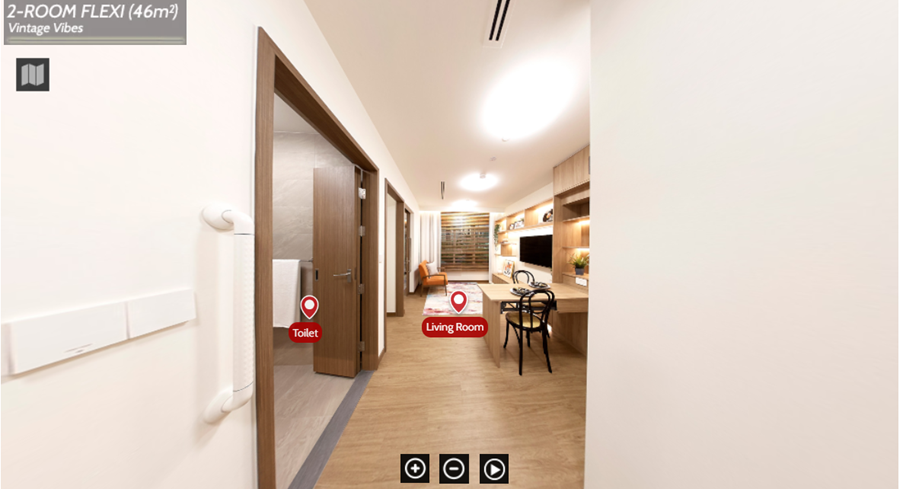
Source: MyNiceHomeGallery
If you are aged 55 and above, you can purchase a short-lease 2-room Flexi flat from HDB. These flats offer flexibility in selecting a lease of between 15 and 45 years in 5-year increments, as long as the lease covers the youngest owner using Ordinary Account savings up to at least age 95.
Short-lease 2-room Flexi flats also typically cost less than standard flats while still providing a comfortable and cosy home. It also comes with grab bars and options for additional senior-friendly fittings.
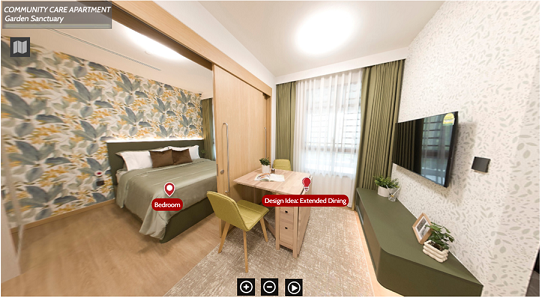
Source: MyNiceHomeGallery
If you are aged 55 and above, you can purchase a CCA. These apartments combine senior-friendly housing with care services to help seniors age independently within the community.
Each CCA includes communal spaces on every floor for residents to connect with their neighbours, as well as a subscription to a basic service package offering 24-hour emergency monitoring, health checks, and an on-site community manager. Optional services such as social day care, housekeeping, and meal services are also available.
If you prefer greater variety in terms of flat sizes and locations, resale flats on the open market may suit your retirement budget and needs.
You may also be eligible for housing grants such as the Enhanced CPF Housing Grant or the Proximity Housing Grant if you are purchasing a home near your loved ones.

If you used your CPF savings to purchase your current flat, you will need to refund the CPF amount used to purchase your property (along with the interest accrued) when you sell your property. This is because your CPF savings are also meant for your retirement.
As you are aged 55 and above, the amount refunded to your CPF savings will be used to top up your RA to your FRS so that you can receive higher monthly payouts for life. The remaining refunds, if any, will remain in your OA.
You can then choose what to do with your CPF refund:
A) Leave in your OA for your next property purchase (subject to applicable housing rules and limits) or to service another housing loan; or
B) Keep in your OA to earn risk-free interest; or
C) Transfer to your RA to receive higher retirement payouts and earn higher interest; or
D) Withdraw in cash for immediate needs
If you are a new home buyer, you will need to rely on your cash savings, OA savings, and other eligible housing grants to purchase a new home.
Before committing to a home purchase, it's important to plan your finances carefully to ensure that you will have enough savings for your retirement. It’s also a good idea to take note of grants such as the Silver Housing Bonus that might be available to you.
Consider using a mix of cash and CPF savings to pay for your home and loan instalments (if eligible).
Every dollar less you spend from your CPF account on your home is a dollar more for your retirement.
If you qualify for a loan and intend to use your CPF savings, try to keep your monthly instalments within your OA contribution. It is also a good idea to maintain at least six months' worth of monthly instalments in your OA as a buffer for unexpected circumstances.
Rightsizing your home is not an easy decision, and it is worth taking the time to weigh up your options carefully before making the move.
The Home Buying Guide for members above age 55 is curated for seniors who are thinking of rightsizing their home. It also shares more useful financial tips for your next home purchase. All the best in your housing journey!
Information in this article is accurate as at the date of publication.