26 Nov 2026
SOURCE: CPF Board
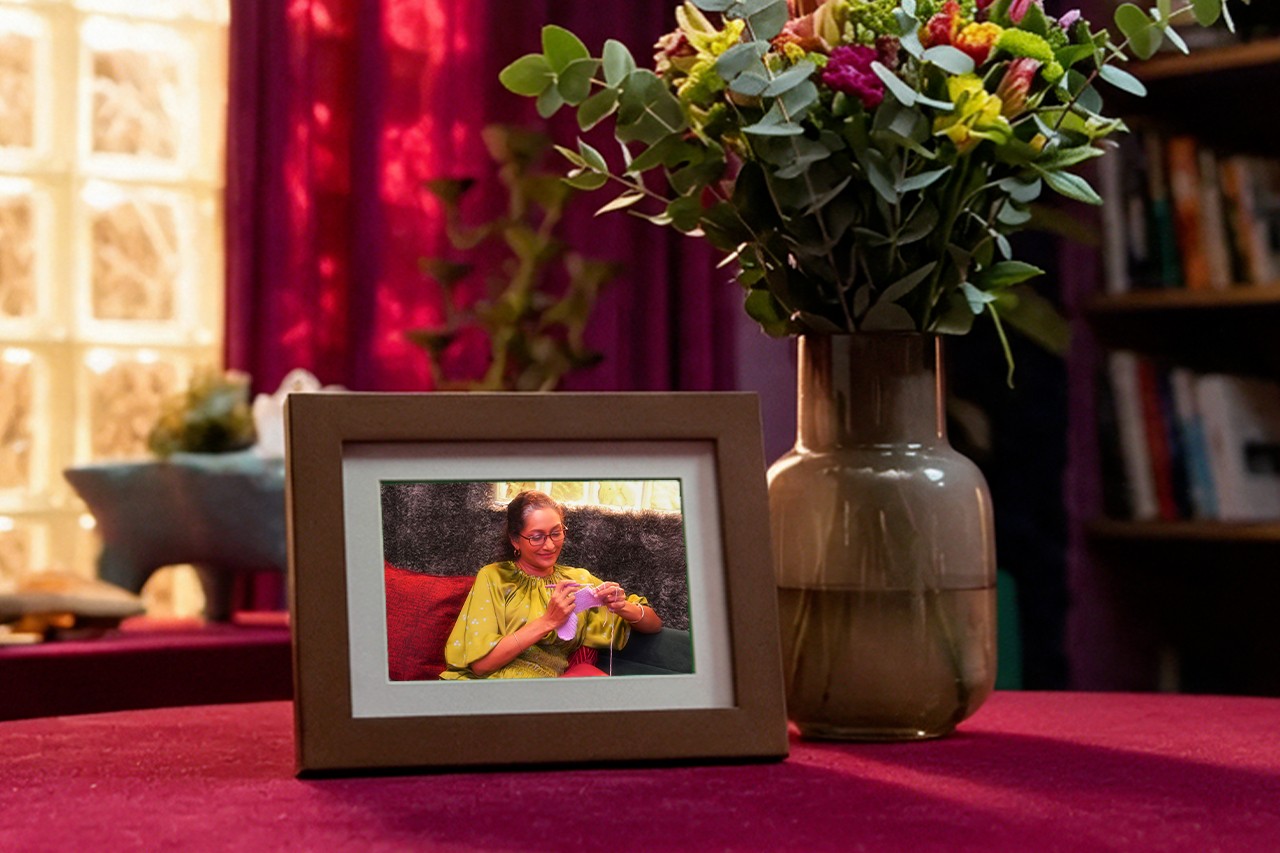
When you picture retirement, you might imagine travelling the world, catching up on reading or finally pursuing long-postponed hobbies.
And while many retirees do get to enjoy these, retirement can also bring new responsibilities and unexpected costs that weren’t always part of the plan.
A 2026 qualitative study by the Institute of Policy Studies (IPS) found that younger Singaporeans commonly underestimated the impact that caregiving responsibilities and healthcare costs has on retirees’ lifestyles and finances.
With that in mind, planning for these possibilities can ensure they don’t derail your retirement aspirations. Here’s what to keep in mind.
1) Caregiving goes beyond ageing parents

Younger participants (between 35 to 54 years old) in the IPS study tended to leave caregiving out of their plans altogether. Some assumed their parents were financially self-sufficient. Others assumed their parents might no longer be around by the time they retired.
The experiences of study participants who had already retired showed that family involvement can remain an important part of retirement.
Many remained actively involved in their families, whether by caring for elderly parents, spouses or siblings, while others visited ailing relatives or looked after grandchildren.
For those with greater caregiving responsibilities, supporting their loved ones had become an important consideration in how they organised their daily routine.
These retirees adapted their lifestyles to balance their own needs and the needs of those they cared for. This sometimes included planning for additional family expenses, such as hiring domestic help and daycare, and covering a loved one’s living expenses.
Caregiving also changed how they allocated their time and expenses. Some adapted their travel plans so they can stay close to home, especially if they could not afford to hire help.
Caregiving can be a meaningful part of retirement, giving you more time to care for loved ones and stay connected with family. At the same time, it can also shape your daily routines, expenses and opportunities to pursue other plans.
Planning for these possibilities early, and making sure caregiving doesn’t remain an invisible part of your plan, can help you make room for both the retirement you envision and the people who matter to you.
2) Your healthcare expenses that may change overtime
The question is not simply whether healthcare costs will rise as you age, but whether the coverage you choose today will remain affordable over the course of your retirement.
The IPS study found that some retirees adjusted their health insurance coverage as costs increased.
Some with affordability concerns, or who sought to right-size their coverage based on their needs and circumstances, discontinued their Integrated Shield Plan (IP), choosing to rely solely on MediShield Life (MSHL), which fully covers nine in ten subsidised bills in public hospitals. Others downgraded their private hospital plan or opted for a lower ward class in public hospitals.
These experiences show how healthcare expenses can shape retirement choices, as what seems affordable today may become harder to sustain in retirement.
To illustrate, based on CPF’s Health Insurance Planner, you could pay around $1,000 a year for a private hospital plan with rider coverage in your 30s. This could rise to around three times as much in your 50s and close to six times as much in your 60s.
When planning for your healthcare needs in retirement, consider your healthcare needs and the long-term affordability of your health insurance plans. Reviewing your coverage early can help you understand how insurance costs fit into your retirement income goal.
Adjusting your plans is part of planning
It’s easy to assume that the retirement lifestyle you picture today will stay pretty much the same throughout your retirement, from how you spend your days to the activities you enjoy and the budget you need to support them.
However, your retirement lifestyle may evolve as your priorities, expenses and family responsibilities change. This is a normal part of planning for a life stage that can span many years.
Retirees in the IPS study adapted in different ways. Some right-sized their homes or adjusted their spending – swapping restaurant meals for hawker food or getting around without a car. Others continued with paid work, whether for additional income, purpose or social connection.
Making changes helps ensure that your plans continue to reflect what matters to you and what you need at different stages of retirement.
How to plan for your retirement in Singapore in three quick steps

A fuller picture of retirement considers what you want to do, who may depend on you and how your expenses could change. Start planning with these three steps:
Picture your retirement. Consider your everyday needs, personal aspirations and possible caregiving responsibilities and healthcare needs.
Estimate your retirement income needs. Use the Retirement Payout Guide in the Retirement Payout Planner to estimate your personal retirement expenses. If you anticipate needing to support your loved ones’ caregiving or healthcare expenses during retirement, factor these additional costs into your planning. You can then use the Retirement Payout Planner to set your retirement goals, project monthly payouts and explore ways to boost your retirement savings.
Understand and address potential gaps. See what your CPF savings could provide, then explore personalised suggestions to help close any potential shortfalls.
Some aspects of retirement, including caregiving and changing healthcare needs, may be less visible today. Shining a light on them early can help you build a more complete and resilient retirement plan.
Information in this article is accurate as at the date of publication.


