17 Sep 2026
SOURCE: CPF Board

Stepping into adulthood comes with new financial milestones. From managing your first salary to saving for your first home, each step brings new financial decisions.
And as you begin your journey, building sound money management habits can make a big difference in keeping you on track.
The good thing is you don’t have to figure things out on your own. Here’s how two young Singaporeans, Stacey and Luo Ting, are building good financial habits as they work towards their goals.
Finding a realistic budgeting routine
"How much should I save each month?” is a common question for young adults managing their first income.
While there isn’t one figure that works for everyone, a realistic starting point is saving at least 20% of your take-home pay.
For the rest of your income, use a budget to manage your spending, then review it as your income and priorities change over the years.
Starting small with practical budgeting
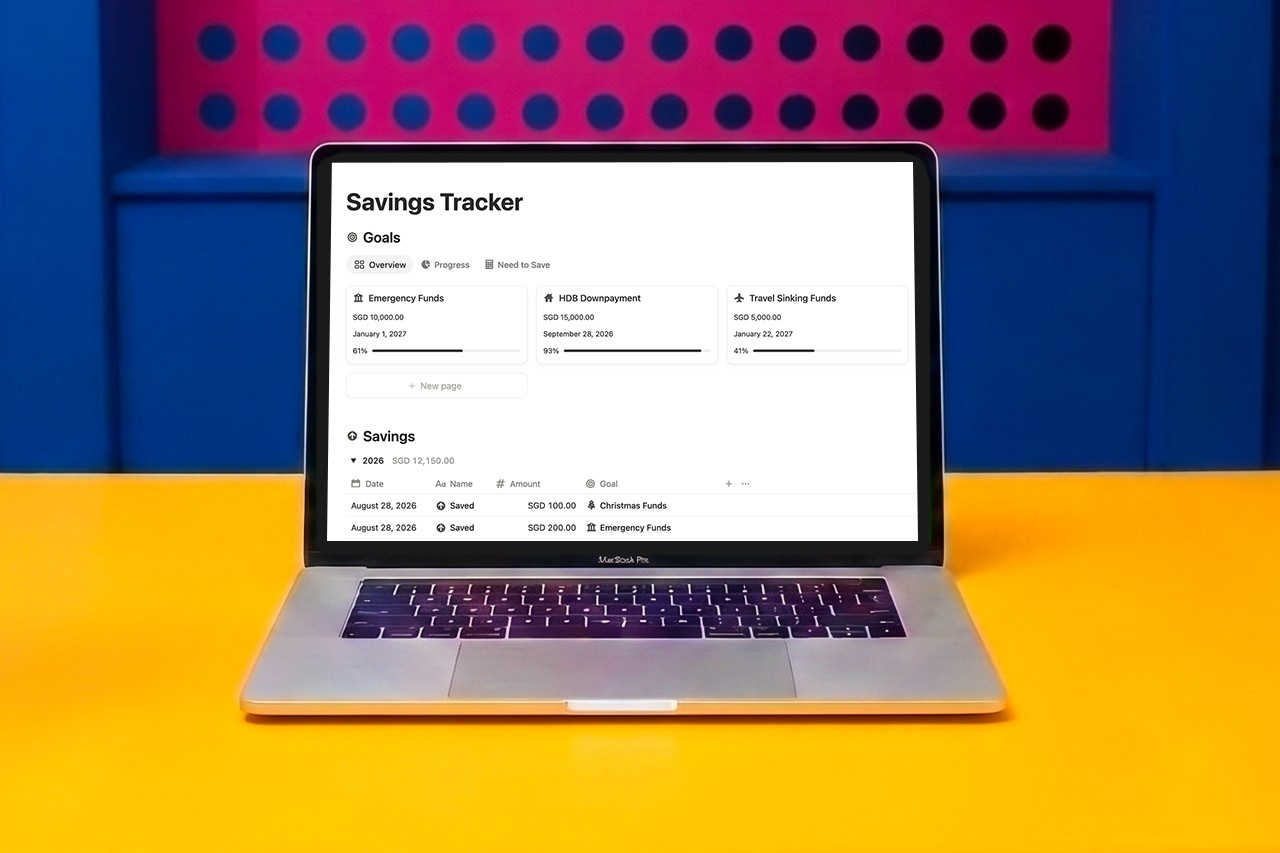
Stacey uses a budget tracker to track her monthly expenses.
When 26-year-old Stacey (@staceyplanning on TikTok) received her first salary, she began evaluating her daily spending, asking whether each purchase was a true necessity or whether the money could go towards bigger goals, such as buying her first home.
Early in her career, guidelines like the 50/30/20 rule (50% needs, 30% wants, 20% savings) prompted Stacey to consider an ambitious 50% savings target. However, she quickly learned that having realistic goals made saving much easier.
"The biggest habit has been tracking my expenses every month," Stacey shares. "Before I started tracking, I didn't really know where my money was going."
"However, once I could clearly see my spending patterns, it became much easier to identify areas where I could cut back without feeling like I was sacrificing too much," she shares.
"I don't always manage to save exactly 50% of my income, and that's okay.
For Stacey, tracking her expenses is less about sticking to a rigid budget and more about gaining clarity. It helps her see exactly where her money is going and ensures that spending aligns with longer-term aspirations.
In her everyday life, this gives her greater peace of mind. Rather than wondering if she is overspending or saving enough, Stacey can see where she stands. Even when occasional overspending happens, she can simply review her numbers, adjust and keep moving forward without stress or guilt.
Saving for her first home

After getting married, Stacey made saving for her upcoming resale HDB flat a key financial priority.
After getting married, Stacey’s immediate priorities are close to home: saving for her upcoming HDB flat and building an emergency buffer that can cover six months of living expenses. Naturally, she is setting aside her Ordinary Account (OA) savings for her flat's downpayment.
Stacey also tries to stay one step ahead when it comes to her financial future. She finds that the Retirement Payout Planner gives her a clearer picture of her retirement payouts through guided goal-setting, payout projections, and suggestions on how to meet her goal. This way, she can get an early start on making the most of her CPF savings, while keeping her long-term goals in sight.
“I think it’s never too early to start thinking about retirement. The Retirement Payout Planner helped me see how CPF fits into my broader financial journey, and made the idea of retirement planning feel more concrete. Even if I’m not making any immediate changes, it’s helpful to know what I can work towards.”
For Stacey, budgeting, saving and investing are not boxes to tick one after another. They are choices that shift with each stage of life. Right now, she is tracking her spending, building a buffer and preparing for her first home.
As her long-term goals become clearer, she plans to revisit how to grow her CPF savings further for higher retirement payouts, including the option of making cash top-ups.
How cash top-ups can build retirement savings and offer tax relief
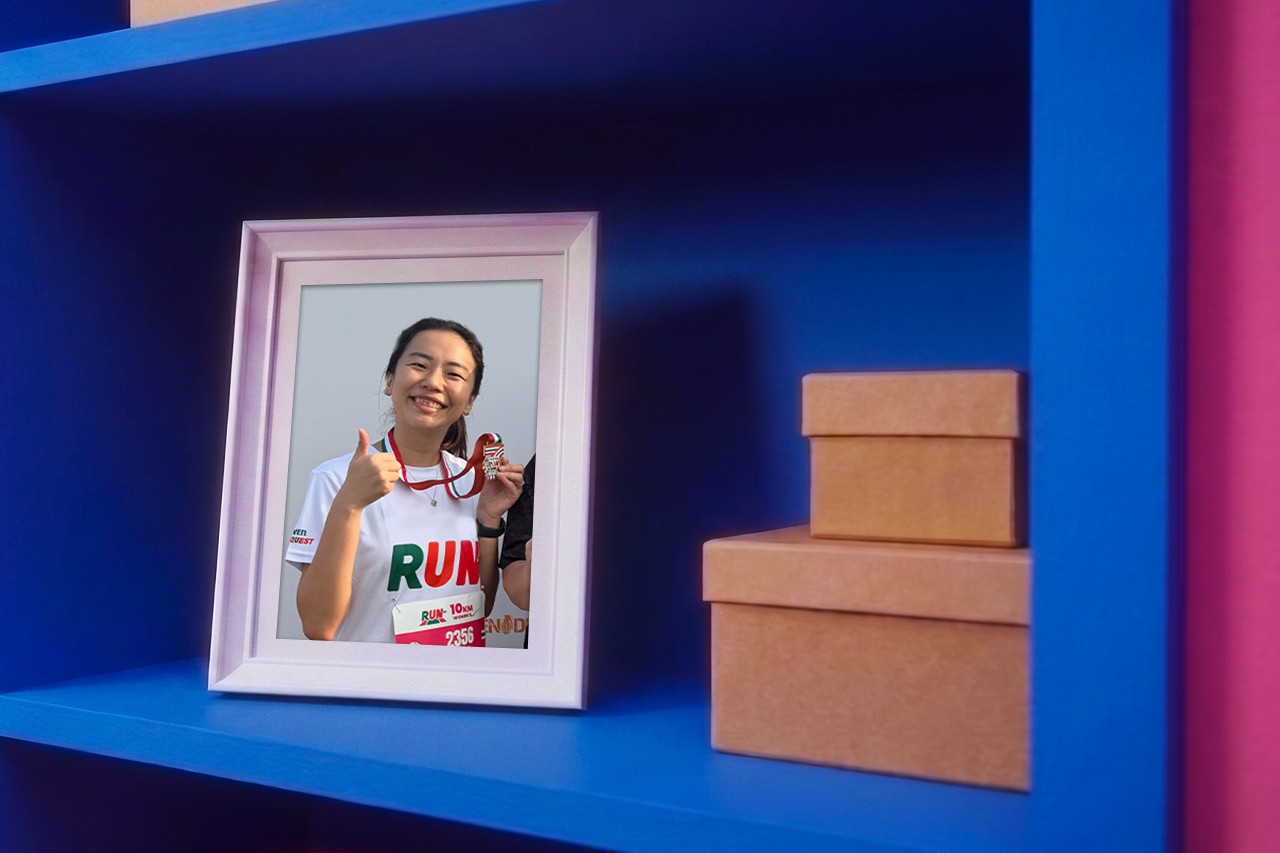
"Is it worth topping up my CPF?" is a question many adults may ask as their career and income settle into a steady rhythm.
For 32-year-old Luo Ting, reaching her late 20s was a chance to reflect on how her savings habits could support the life she hopes to build, from buying a car to eventually spending her retirement years doing work that feels meaningful to her.
"I treat voluntary top-ups as intentional long-term savings for my retirement fund. If you start early, the power of compound interest really works in your favour over time."
At 29, Luo Ting began making voluntary cash top-ups to her Special Account (SA), topping up $8,000 right after learning about the tax benefits from a conversation with her friends. As her salary grew, the annual tax relief became even more significant, giving her greater motivation to continue.
Beyond the tax relief, Luo Ting values CPF as a reliable and fuss-free way to build her retirement savings over time. The interest earned on her CPF savings continues to compound without requiring her to monitor it daily.
Making top-ups using available cash and year-end bonuses
Making a cash top-up earlier in the year gives your CPF savings more time to earn interest. For example, if you make a top-up in January instead of December, you can earn up to 20% more interest in just 10 years on those monies.
Still, the timing should work for your own cash flow and commitments. For Luo Ting, a year-end review helps her make the decision with a clear view of what she can comfortably set aside.
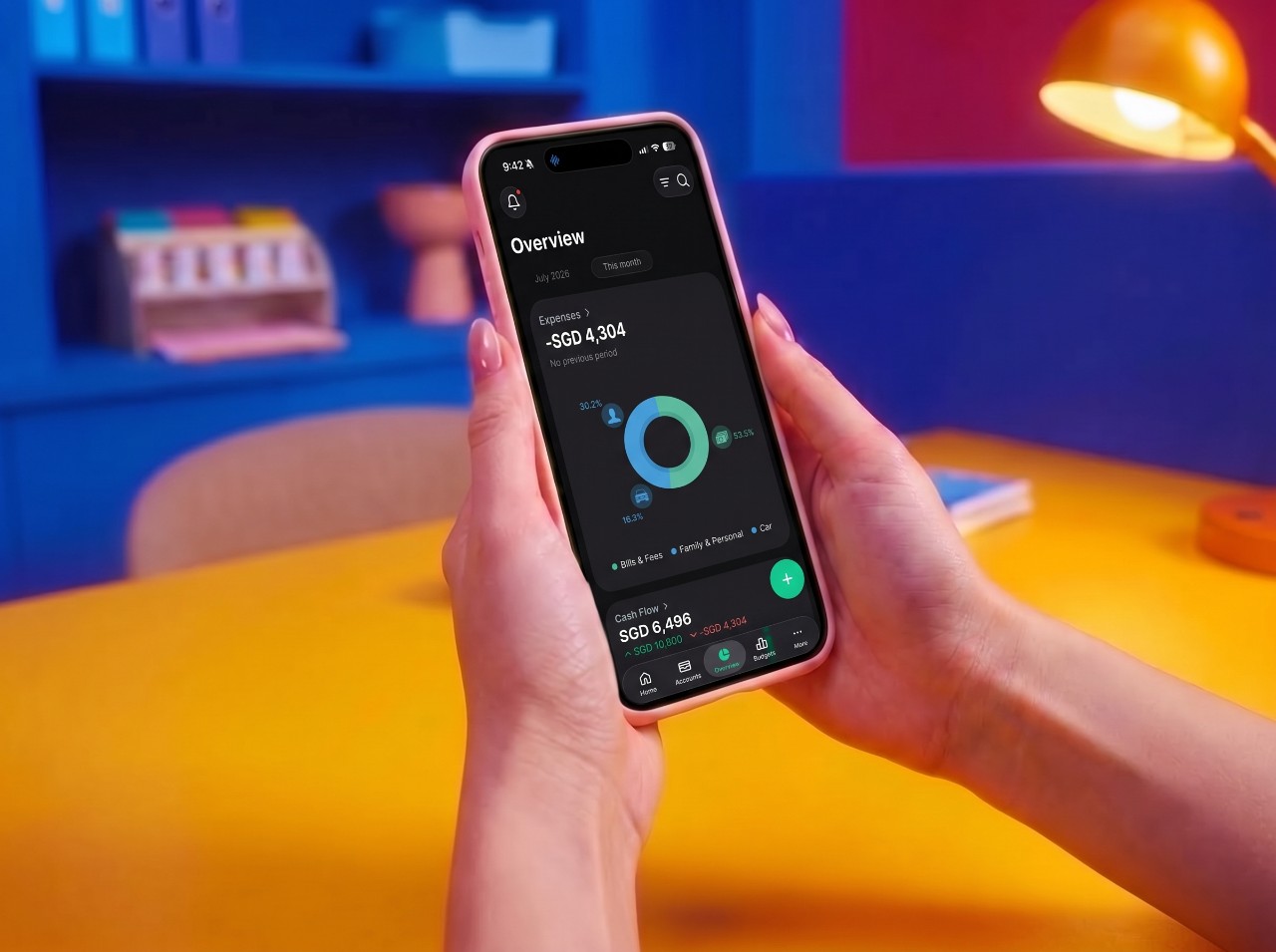
Luo Ting tracks her savings and expenses using a financial tracking app on her phone.
To keep her top-ups sustainable, Luo Ting uses only cash she does not expect to need in the near term. She typically reviews her overall cash flow towards the end of the year, then uses part of her annual 13th-month bonus to make a top-up comfortably without dipping into her day-to-day reserves.
Planning for a retirement with purpose
For Luo Ting, building her CPF savings is about laying a stronger foundation for the retirement lifestyle she wants. In the future, she hopes to dedicate more time to volunteering and helping elderly citizens and people with special needs integrate into society through job training.
That goal may be years away, but for Luo Ting, it gives today’s habits a little more meaning. It also reminds her that it is never too early to start planning.
"I wish I had appreciated the power of CPF’s compound interest more when I first started working. My advice to peers is to review your cash flow, confirm that your emergency funds are secure, and consider how much you can comfortably set aside. Even making small cash top-ups can be a simple, reliable way to grow your retirement savings over time."
Finding your own early-career balance
Whether you are starting with practical monthly budgeting like Stacey or making annual top-ups like Luo Ting, there is no one-size-fits-all approach to financial planning.
Building an emergency fund, reviewing your spending, investing and making cash top-ups are all options to consider based on your circumstances. Over time, small and steady habits can help you feel more prepared for the goals ahead.
Retirement planning is easier when you can see where you stand and what you can work towards. Try out the Retirement Payout Planner today to set your retirement payout goal, project your future monthly payouts, and get personalised suggestions to meet your goal.
Once you have a clearer picture, consider making a cash top-up to grow your retirement savings, while enjoying tax relief* at the same time.
*Terms and conditions apply.
Information in this article is accurate as at the date of publication.