17 Jul 2026
SOURCE: CPF Board

Disclaimer: CPF Board does not endorse any specific investment product or provider. Any investment decisions made are at the investor’s discretion and risk.
Pokémon cards have always been popular as a hobby, but they are also increasingly considered investment assets nowadays. For the uninitiated, that’s because each set can come with rare cards with values that are several times the price of a box of booster packs. If you pull a rare one, you can make some decent returns, with a nice hit of a not-so-cheap “thrill” on the side! On the flip side, you may also end up with a stack of common Pidgeys instead, like I did.
Whether you consider investing in Pokémon cards a legitimate investment strategy or not, there are always risks involved with any form of investing. If you’re thinking of investing in that full set of PSA 10 Eeveelutions, my advice is to first be clear on what you are getting yourself into before you make your next move.
Is an investment worth your while?
When it comes to investing, I’m sure a couple of familiar keywords come to mind: risk, returns, time horizon, and so on. If Pokémon card investments are what you're starting with, these terms are also important.
These days, before I invest in anything, I ask myself three questions to make sure it’s worth my time, money and effort: Why am I investing? How long can I stay invested? What are the risks? These questions become more important as our financial responsibilities grow.
Here are three investment principles I now keep in mind, and wish I had considered more carefully before opening my first pack:
Investing starts with knowing your risk appetite
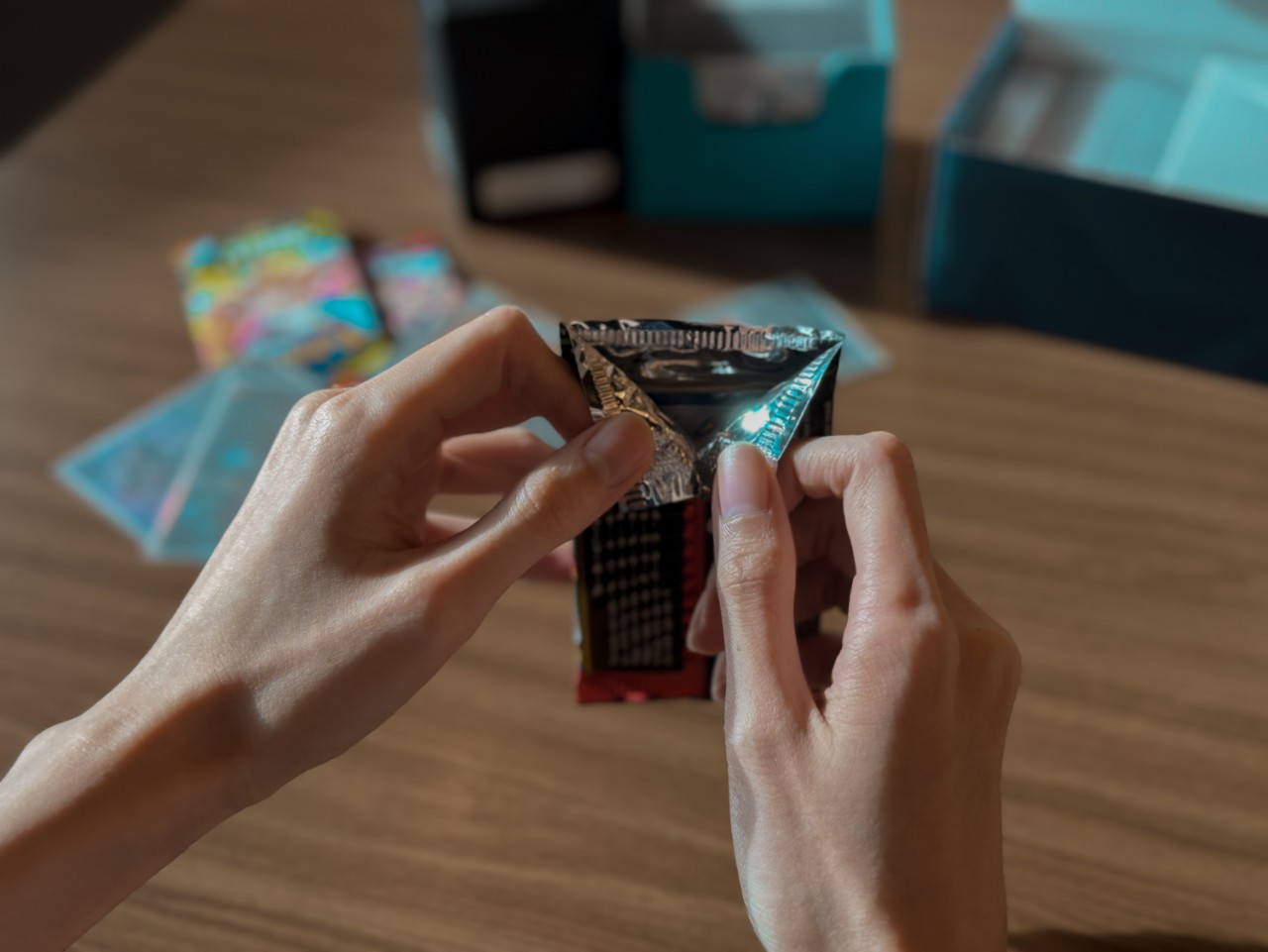
If you’re already knee-deep in Pokémon cards, you might be familiar with the saying: “The odds are always 50/50: you either get it or you don’t.” When you look at it from an investment point of view, though, it’s a different game altogether.
All investments come with risk. This also applies to Pokémon card investing, because not every card is of high value. Thus, it’s never guaranteed that you’ll pull enough high-value cards to break even on your box purchase or generate returns.
That’s why the first thing to note is that having it risk-free and gaining high returns never go hand in hand. Because of this, it’s important to gauge whether you are comfortable with short-term fluctuations in value, including the possibility that you may lose a significant part of your capital, against the possible returns. This is known as risk appetite.
If you have various forms of expenditure to worry about, that might also affect your risk appetite, as you might have other more pressing priorities. Consider whether you have emergency savings (three to six months’ worth is a good rule of thumb) before going for an investment with higher risks. Understanding your risk appetite helps filter out the assets that don’t suit you.
It’s also important to understand that investing is not about avoiding risk completely, but about understanding the risk, deciding whether you can accept it, and checking that it fits your goals and circumstances.
Don’t buy into the hype
In simple terms, investing is about putting money into an asset you hope will become more valuable over time. If you aim to invest for long-term goals (e.g. to build a good nest egg so that you might even retire early), it’s important to stay invested to ride out market fluctuations rather than predict how your investment value will shift.
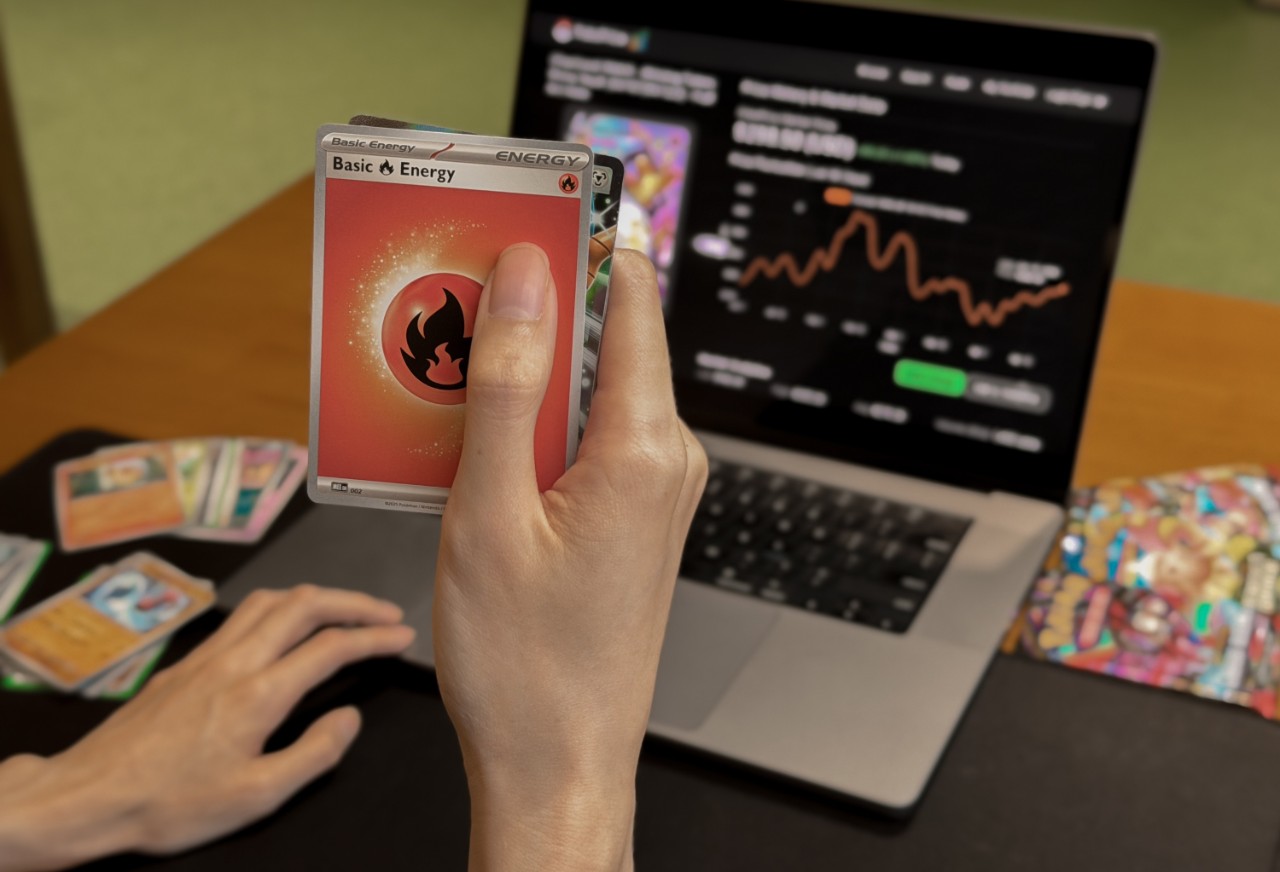
Back when I heard there was a new Mega Charizard X ex, I got unreasonably hyped and bought a couple of boxes. Thinking back, buying when I did wasn’t a financially sound choice, since there were already many unsold copies of it floating around by then, meaning I probably wouldn’t have been able to sell it anyway.
What I did is known as buying into the hype, or joining in on the trend after it has already gained traction. For Mega Charizard X ex, I also considered buying the card directly at the peak of its hype, but looking back, selling it later would not have generated as much returns, compared with buying it on release, since the value of the card was unpredictable. If I had treated this purchase as an investment, it would have been a bad, ill-informed move on my part.
So, just keep this in mind: while it’s okay to join in on the fun, this approach may not always work for investing, especially if the hype doesn’t last. A key aspect of investing is understanding that the market is always unpredictable. There’s no guarantee how and when an asset’s value may change, so timing the market may not always be the wisest move. Buying into the hype doesn’t change that, and hype may even increase the uncertainty and pressure.
One way to tackle this unpredictability is to invest for the long term. To do so, you would need to consider if you can ride out the short-term dips without needing to cash out. The “deadline” for how long you can afford to hold on to an asset is known as your investment time horizon.
A longer investment time horizon gives you more time to recover from short-term fluctuations, though you may not be able to hold on to an asset forever. If the potential returns only come after the time you can afford to wait, that investment may not be suitable for your needs.
Managing your risks with diversification
Diversification is another way to tackle unpredictable market fluctuations. It involves investing in various assets and/or markets, such that if one or a few make losses, you can still cover these losses with the others.
Back when I did Pokémon card investing, I didn’t put all my “Exeggcutes” in that basket. After all, if the value of my cards all dropped before they could rise, I’d be losing money.
To protect myself from that, I opted for other non-Pokémon investments at the same time to make sure my investment portfolio was still sound. Similarly, to balance out the risks that come with investing, you can also invest in different assets, thereby spreading your money across various ventures instead.
So, should you invest at all?
Investing doesn't need to be complicated; it’s more about going in with your eyes wide open. Before investing, consider the pointers above to gauge whether the investment is right for you. Case in point: if you’re looking to jump into Pokémon investing, these points help you determine if it’s the right option for you specifically.
If your answers give you confidence, investing can be a key part of your financial plan. If you are looking at a long-term strategy, one other asset you might want to look at is investing with your CPF savings.
Investing for the long term starts with CPF
Before any decision is made, I should highlight that even without investing, your CPF savings will grow at a steady pace with CPF's interest rates. So, if you don’t feel that confident or if you are not ready, you can consider keeping your CPF savings as they are or even consider making small cash top-ups to leverage the interest rates, as they will play an important part in securing your desired retirement lifestyle.
If you are more prepared to manage risk though, start with finding out more about how you can invest your CPF savings:
Disclaimer: CPF Board does not endorse any specific investment product or provider. Any investment decisions made are at the investor’s discretion and risk.
Information in this article is accurate as at the date of publication.