17 Jul 2026
SOURCE: CPF Board

Disclaimer: CPF Board does not endorse any specific investment product or provider. Any investment decisions made are at the investor's discretion and risk.
Pokémon cards have become more than a hobby for some, with rare cards sometimes selling at over a million dollars in other countries. Some collectors even treat these cards as investment assets.
If you’re thinking of jumping in on this latest trend, it’s key to ask yourself first: What are the risks? How long can you stay invested? Are you putting too much into a single asset?
The answer lies in these three investing principles that apply regardless of the investment asset: your risk appetite, investment time horizon, and whether you’re diversifying or not.
Lesson 1: Know your risk appetite before you invest
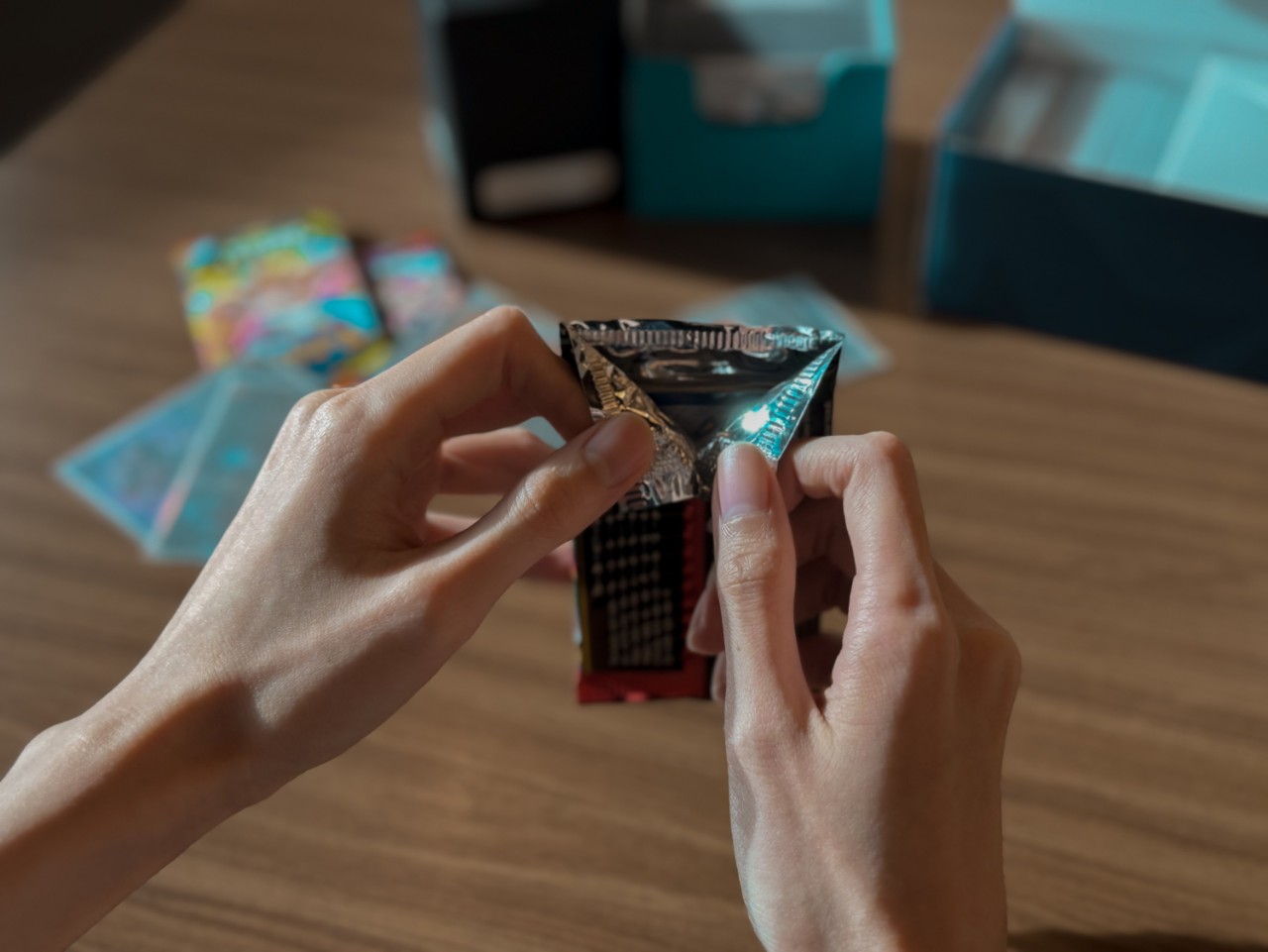
Opening a pack of Pokémon cards is like making an investment. You might pull a rare, high-value card (and make some good returns), or end up with a stack of Pidgeys worth far less than what you paid. That uncertainty is not unique to Pokémon cards. Every investment carries risk, and some assets are more volatile than others.
One principle worth keeping in mind - risk-free and high returns never go hand-in-hand. Any investment that promises otherwise deserves scrutiny.
Before committing to any investment, it’s good to ask yourself how much loss can you afford to absorb, and if you have emergency savings to fall back on (a good rule of thumb is three to six months' worth of expenses). More importantly, how would this investment fit your broader financial goals?
Your answers reflect your risk appetite, or your willingness and ability to take on risk in exchange for the potential returns. Understanding your risk appetite helps you identify which investments suit your circumstances and which do not, regardless of how appealing they might seem at first glance. It’s important to also note that investing is not about avoiding risk entirely, but to ensure you can stomach the risks that come with the investment.
Lesson 2: Don't let hype drive your investment decisions
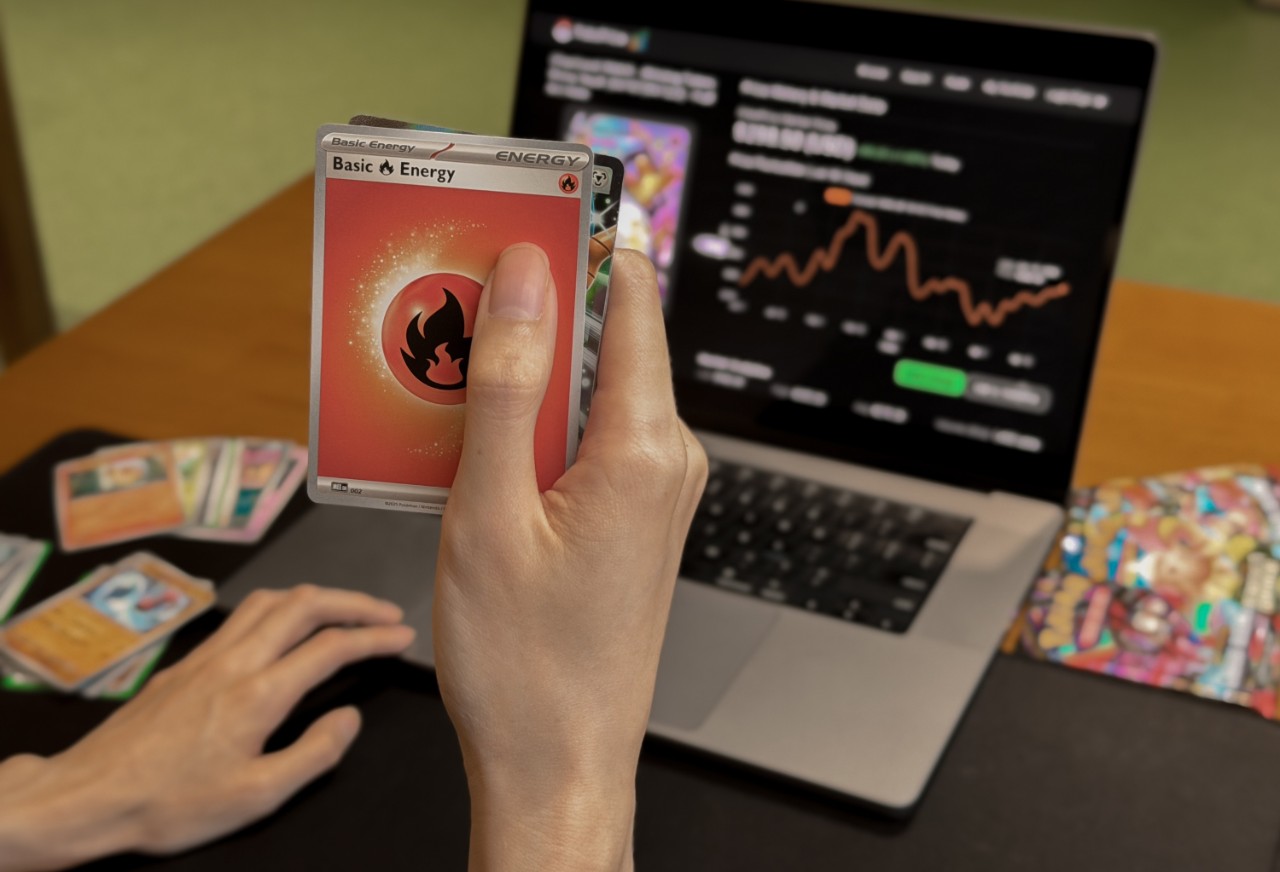
One of the most common investing mistakes is confusing popularity with potential. When an asset is generating a lot of attention, its price may already reflect much of that excitement. This means that by the time you invest, you may be buying high with no real basis for expecting the value to rise further, or that it won’t fall.
No investment can give you guaranteed future returns, and making decisions based purely on hype does not reduce that uncertainty. This applies whether you are looking at collectibles such as Pokémon cards, stocks, or any other asset class.
This is where your investment time horizon becomes important. Your investment time horizon is how long you can afford to remain invested. A longer time horizon generally gives your investments more time to recover from short-term fluctuations, allowing you to mitigate some of the risks that come with market unpredictability.
On the other hand, if you need access to your money within a shorter window, committing to a volatile or hype-driven investment could leave you in a difficult position if its value dips before you need to cash out. If you cannot afford to wait out a dip, such assets may not be right for you, regardless of how much buzz surrounds them.
In that sense, understanding your investment time horizon is about making sure your investments are structured around your actual financial needs and goals. This will help you determine which assets are suitable for you and which aren’t.
Lesson 3: Diversification helps you manage risks
Imagine if your entire investment portfolio consisted only of Pokémon cards. If demand for those cards dropped, your whole portfolio would be affected and you’d suffer heavy losses. By concentrating all your resources into one asset, you have also increased your risk of making a loss. This is why you should consider diversifying your investment assets to minimise this risk. In other words, don't put all your Exeggcutes in one basket.
Diversification means spreading your investments across different assets, industries, or markets, so that a loss in one area does not cost you all your invested resources. It does not eliminate investment risk entirely, but helps to manage it, thereby giving you a more resilient foundation from which to work towards your financial goals.
Applying these lessons when investing your CPF savings
At the end of the day, these lessons do not just apply to investing in Pokémon cards. In the CPF context, it’s also important to go in with your eyes wide open.
Your CPF savings are an important part of your retirement planning journey, but they can also play a role in your financial planning even if you are nowhere near retirement.
What is key to note is that even without making additional investments, your CPF savings are already growing steadily through CPF's interest rates. If you are not yet confident about investing, you can consider keeping your savings as they are, or by making small cash top-ups to take advantage of those interest rates. These actions do not require you to invest your CPF savings.
However, if you do feel ready to take on more risk, you can also explore how to invest your CPF monies to find an approach that suits your goals and investment time horizon. This is ultimately just one of the options you can consider to diversify your investment portfolio as well.
Disclaimer: CPF Board does not endorse any specific investment product or provider. Any investment decisions made are at the investor's discretion and risk.

Information in this article is accurate as at the date of publication.

